Travelers arriving in Vietnam often joke that they become “millionaires” almost overnight after exchanging their money.
The official currency of Vietnam is the Vietnamese đồng (VND), represented by the symbol ₫. Vietnamese currency can look confusing at first because of the large number of zeros. The country uses both paper and polymer banknotes, with commonly encountered denominations ranging from 10,000 VND to 500,000 VND. Smaller paper notes of 1,000 VND, 2,000 VND and 5,000 VND also exist, although they are less commonly used in everyday tourist transactions.
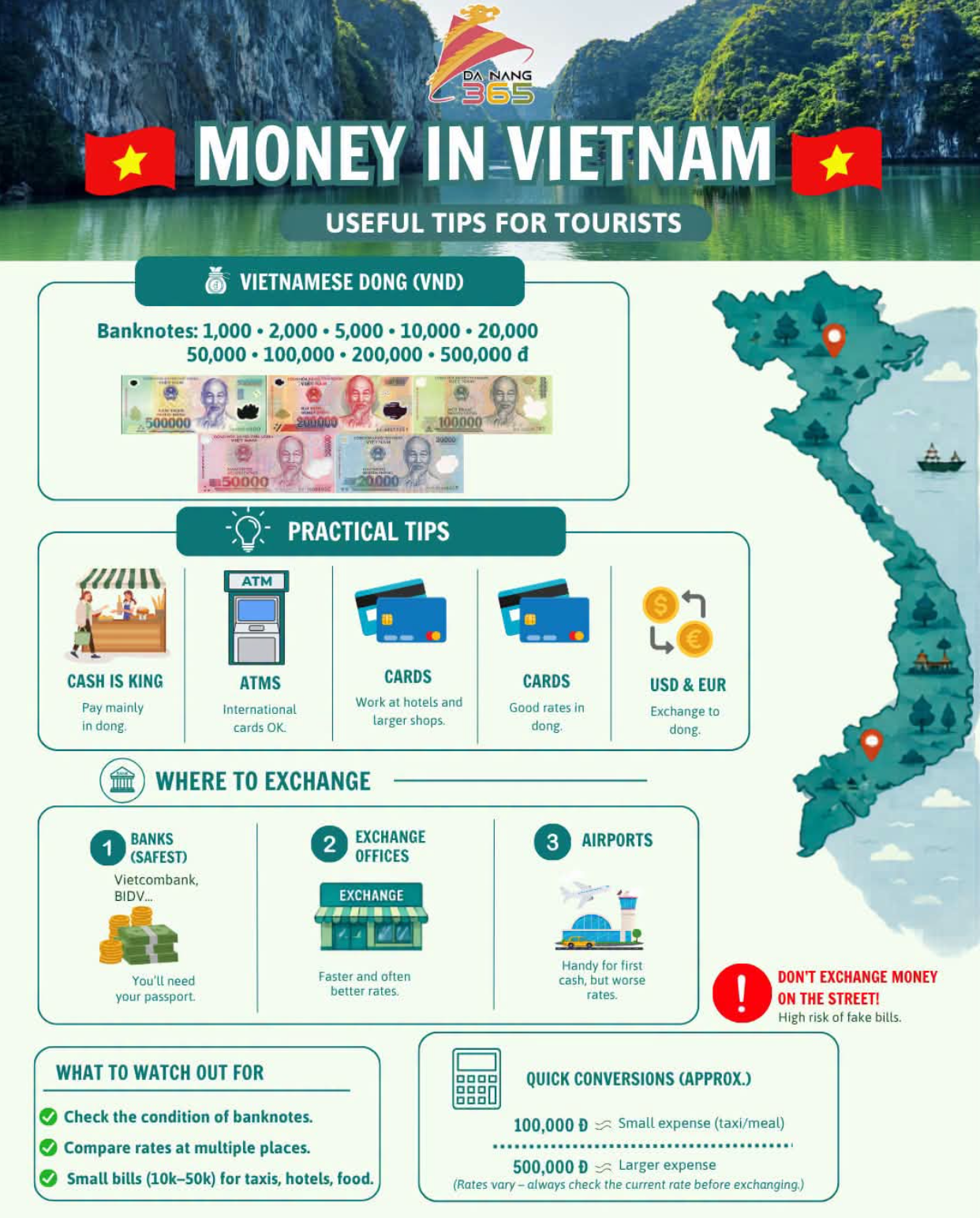
As of late October 2026, the USD/VND exchange rate is roughly 25,800 VND to US$1, although actual rates vary from one bank, exchange counter and card provider to another. At that rate, US$50 is worth approximately 1.29 million VND.
Seeing prices such as 50,000, 200,000 or even 500,000 VND may seem intimidating when you first arrive. A useful trick is to mentally remove the last three zeros: 100,000 VND becomes “100”, which makes prices much easier to understand at a glance.
After a day or two, most travelers find that reading and handling Vietnamese money becomes surprisingly easy.
Where Can You Exchange Money?
Major foreign currencies can be exchanged in Vietnam, but exchange rates and fees vary considerably. Banks and licensed exchange counters are generally the safest options. Exchange counters at airports are convenient for getting some cash immediately after arrival, but they may not always offer the best rate.
Before exchanging a large amount, compare the rate and check whether there is a separate service fee.
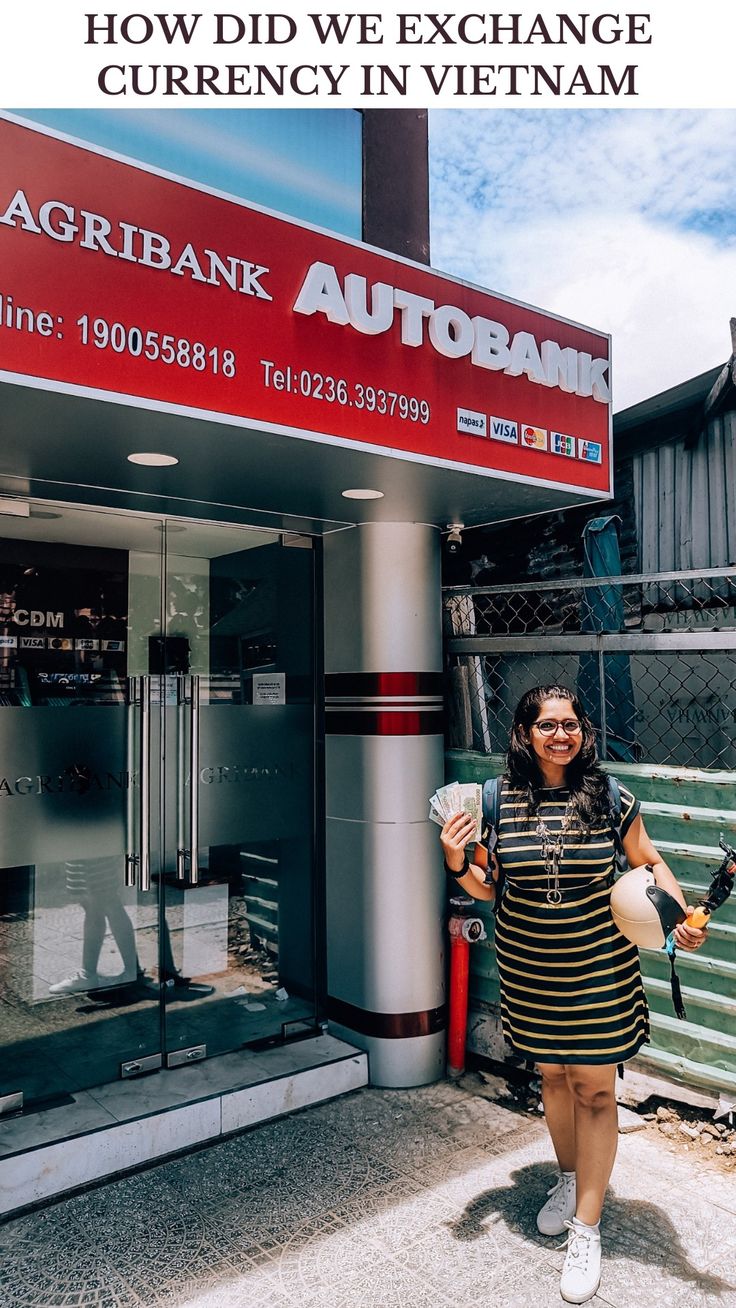
Banks
Major Vietnamese banks, including Vietcombank, offer foreign-exchange services for commonly traded currencies such as US dollars, euros, British pounds, Japanese yen, Thai baht and Singapore dollars.
Banks are generally a reliable option, particularly if you want to exchange a larger amount or prefer a formal transaction with a clear receipt.
For travelers carrying cash, make sure your banknotes are clean and in good condition. Torn, heavily worn or damaged foreign banknotes may be refused or exchanged at a less favorable rate.
Hotels
Many hotels can exchange foreign currency or help guests locate a nearby licensed exchange counter.
Large international and upscale hotels may offer competitive rates, while smaller hotels may charge a service fee or offer a less favorable exchange rate. For larger amounts, it is usually worth comparing the hotel’s rate with a bank or licensed exchange provider.
Licensed Currency-Exchange Counters
Licensed exchange businesses can be convenient, particularly in major tourist areas.
In Hanoi’s Old Quarter and Ho Chi Minh City’s central tourist districts, you may find numerous places offering currency exchange. However, do not assume that every jewelry or gold shop is authorized to exchange foreign currency. Always look for a licensed exchange service and check the rate before handing over your money.
A good rule is simple: never exchange money with an individual on the street or through an unofficial “black market” arrangement, even if the offered rate looks attractive.
Finding and Using ATMs in Vietnam
ATMs are widely available throughout Vietnam, especially in Hanoi, Ho Chi Minh City, Da Nang, Nha Trang and other major destinations. International airports also have ATMs, making it easy to withdraw some Vietnamese dong soon after arrival.
However, ATM availability becomes less predictable in remote rural areas, mountainous regions and smaller towns. If you are heading to places such as Ha Giang, Cao Bang, Mai Chau or remote areas of northern Vietnam, it is sensible to withdraw enough cash in advance.
How Much Can You Withdraw?
Withdrawal limits depend on the bank and ATM. Many local ATMs have relatively low per-transaction limits, while some international-bank ATMs allow larger withdrawals. Current guidance indicates that limits can range from around 2–3 million VND at some local ATMs to 5–10 million VND at some international-bank ATMs.
Because Vietnamese banknotes can quickly create a surprisingly thick stack of cash, count your money carefully before leaving the ATM.
What About ATM Fees?
ATM fees vary widely.
You may encounter a fixed withdrawal fee, a percentage-based fee, a foreign-currency transaction fee from your own bank, or a combination of these charges. Some Vietnamese ATMs charge relatively modest fees, while others can be significantly more expensive.
Before confirming a withdrawal, check the ATM screen carefully for the fee.
Important: If an ATM asks whether you want to be charged in your home currency or in Vietnamese dong, choosing VND is generally preferable. This avoids the ATM’s potentially unfavorable dynamic currency conversion (DCC) exchange rate.
Should You Use ATMs or Exchange Cash?
There is no single answer.
If you are staying in Vietnam for several weeks, carrying all your spending money in cash is not necessarily the safest option. Losing a large amount of cash can turn into a major problem.

A practical strategy is to carry a reasonable amount of Vietnamese dong and withdraw more as needed. This allows you to enjoy the convenience of cash without carrying your entire travel budget around with you.
For longer trips, many travelers prefer a combination of:
- A small amount of cash in VND
- One or two international debit or credit cards
- A small emergency reserve of foreign currency
- A backup card stored separately from the primary card
This gives you more flexibility if one card is lost, blocked or temporarily rejected.
Using Credit and Debit Cards in Vietnam
Vietnam is becoming increasingly card-friendly, especially in major cities and tourist destinations.
International cards such as Visa and Mastercard are widely accepted at hotels, larger restaurants, tour operators, shopping malls, supermarkets, cafés, spas and many other businesses. Contactless card payments are also increasingly common.
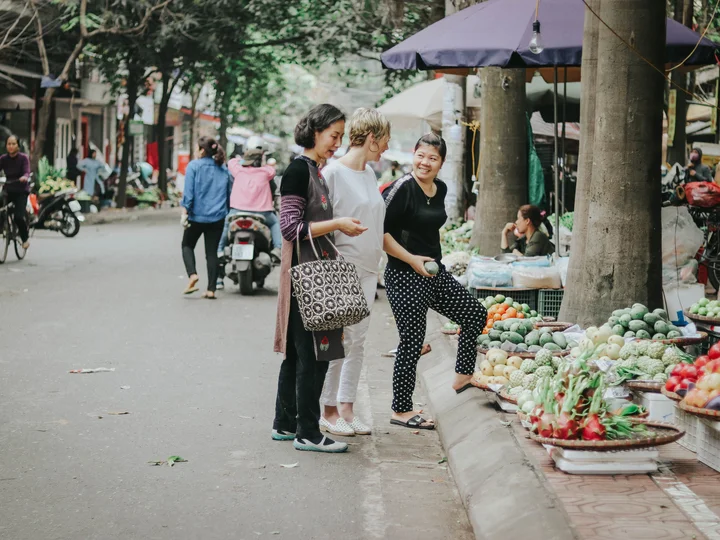
However, cash is still essential for many everyday purchases, particularly at street-food stalls, traditional markets, small family-run restaurants, local shops, some taxis and businesses in rural areas.
Your card issuer may charge a foreign transaction fee or currency-conversion fee. Some businesses may also apply a card surcharge, so check the final amount before confirming payment.
It is a good idea to inform your bank that you will be traveling in Vietnam and make sure your card is enabled for international transactions before departure.
Can You Pay with US Dollars in Vietnam?
Generally, you should not rely on US dollars for everyday payments.
Vietnamese businesses are expected to conduct ordinary domestic transactions in Vietnamese dong, and most everyday purchases are priced in VND. Some hotels, tour operators or businesses in heavily tourist-oriented areas may quote prices in US dollars, but this does not mean you should carry USD around for routine spending.
For the best transparency, pay in Vietnamese dong whenever possible.
Using VND also makes it easier to compare prices and avoid unfavorable exchange rates set by individual merchants.
A sensible approach is to keep most of your spending money in VND and retain some foreign currency as an emergency reserve.
Do You Need to Tip in Vietnam?
Tipping is not mandatory in Vietnam.
Unlike in countries such as the United States, tipping is not traditionally an obligatory part of Vietnamese dining culture. However, tipping is becoming more common in tourism-related services, particularly for private tour guides, drivers, spa therapists and excellent service.
Some restaurants, hotels and tour operators may add a service charge to the bill, so check the receipt before deciding whether to leave anything extra.
Restaurants and Cafés
Tipping is generally optional.
If a service charge has already been included, you do not need to add another tip. If there is no service charge and you received particularly good service, a small tip is always appreciated.
Tour Guides and Drivers
A tip is not compulsory, but it is increasingly appreciated, especially when a guide or driver has provided excellent service during a private or multi-day tour.
Hotel Staff
Tips for bellhops, housekeeping staff and other hotel employees are optional. A small amount can be a thoughtful gesture for good service.
Taxis
Tipping taxi drivers is not expected. You can simply pay the fare shown on the meter or app.
If the driver has been particularly helpful, you can round up the fare or leave a small amount.
In short: tip because you want to, not because you feel pressured to.
When Should You Bargain?
There is an old saying among visitors to Vietnam: “If you’re shopping at a market, don’t be afraid to bargain.”
Bargaining is common in traditional markets, souvenir shops and informal shopping areas, particularly in places that cater heavily to tourists. However, it is not appropriate everywhere.
Modern shopping malls, supermarkets, convenience stores, established restaurants and most professionally operated businesses normally have fixed prices.
At traditional markets, vendors may initially quote a higher price to foreign visitors, so it is perfectly reasonable to negotiate politely.
The best approach is to:
- Ask the price first.
- Compare prices at several stalls.
- Make a reasonable counteroffer.
- Keep the negotiation friendly.
- Walk away politely if you cannot agree.
Vietnam Tourism also recommends browsing several shops or stalls to get a sense of the normal price before purchasing.
Do not assume that every vendor is willing to negotiate, however. In extremely touristy locations, some sellers may simply refuse to lower their prices.
For example, markets such as Ben Thanh Market in Ho Chi Minh City are well known among international visitors, while less tourist-oriented local markets may sometimes offer a more relaxed shopping experience.
Most importantly, bargaining should be treated as part of the shopping experience rather than a confrontation. A smile and a little patience usually work much better than aggressive negotiation.
How Much Money Do You Need Per Day in Vietnam?
Vietnam remains a relatively affordable destination compared with many popular travel destinations in Europe, North America and other parts of Asia, although costs vary significantly depending on your destination, accommodation and travel style.
As a rough guide:
Budget Traveler
A backpacker staying in hostels or simple guesthouses, eating local food and using inexpensive transportation may be able to travel on around US$25–40 per day.
Mid-Range Traveler
For a comfortable hotel, a mixture of local restaurants and cafés, taxis or ride-hailing services, sightseeing and occasional tours, a realistic budget is around US$50–100 per day.
Luxury Traveler
Five-star hotels, private transfers, high-end restaurants, premium tours and domestic flights can easily push daily spending to US$150–300 or more.
These figures are only guidelines. Hanoi, Ho Chi Minh City, Da Nang, Hoi An, Ha Long Bay, Phu Quoc and other major tourist destinations can have very different price levels depending on the season and type of experience you choose. Vietnam Tourism’s current price guide also shows a wide range, from inexpensive street food and budget accommodation to luxury hotels and private tours.
Street Food: One of Vietnam’s Best Travel Bargains
If you want to save money without sacrificing the experience, eat like a local.
Vietnamese street food is not merely a cheap alternative to restaurants—it is one of the country’s greatest cultural experiences.
In Hanoi, for example, you can enjoy dishes such as pho, bun cha, banh mi and xoi at very affordable prices. You can then spend more of your budget on memorable experiences such as cruises, guided tours, spa treatments or unique cultural activities.
Domestic Transportation
Domestic travel in Vietnam has become increasingly convenient, with a large network of domestic flights connecting major cities.
Low-cost airlines and full-service carriers operate alongside Vietnam’s extensive railway and bus networks, giving travelers several options depending on budget and comfort.
For longer journeys, compare the total cost—not just the ticket price. A cheap flight may save many hours, while an overnight train can be a memorable part of the journey itself.
Other Important Money Tips for Vietnam
Be Careful with Vietnamese Banknote Denominations
The biggest challenge for first-time visitors is often not the exchange rate but the zeros.
Several Vietnamese banknotes can also look similar at first glance. Take your time before handing over money, especially when you are in a crowded market or paying in a hurry.
For example, 100,000 VND and 10,000 VND can be confused by newcomers because both notes have a greenish appearance.
The 20,000 VND and 500,000 VND notes also share similar blue tones, so always check the denomination carefully before paying.
Watch Out for Polymer Notes Sticking Together
Many of Vietnam’s higher-value banknotes are made from durable polymer rather than traditional paper.
Polymer notes can sometimes stick together, particularly when they are new or slightly damp. When paying for something, separate the notes carefully and count them before handing them over.
This simple habit can help prevent accidental overpayment.
Avoid Paying with 500,000 VND Notes for Small Purchases
A 500,000 VND note is worth roughly US$19–20 at current exchange rates, so it can be inconvenient when buying something inexpensive.
Small street vendors, market sellers or taxi drivers may not have enough change for a 500,000 VND note.
Whenever possible, keep some 20,000, 50,000 and 100,000 VND notes with you for everyday purchases.
Do Not Exchange Money on the Black Market
Never accept an unofficial offer to exchange money simply because someone promises an unusually attractive rate.
Use banks or properly licensed currency-exchange providers. The small amount you might gain from an unofficial exchange is not worth the risk of counterfeit money, scams or other problems.
Keep Some Cash for Small Purchases
Even if you prefer using cards, always keep a small amount of cash with you.
Cash remains particularly useful for:
- Street food
- Traditional markets
- Small cafés
- Local shops
- Tips
- Temple donations
- Rural areas
- Small transportation providers
Vietnam’s digital-payment ecosystem is developing rapidly, but cash still has an important role in everyday transactions.
Keep Your Money Safe
Vietnam is generally considered a safe destination for travelers, but normal precautions are still important.
Keep your wallet and phone secure in crowded areas, avoid displaying large amounts of cash in public, and consider storing spare cards and emergency cash separately from your everyday wallet.
For longer stays, using your hotel’s safe for passports, spare cash and backup cards can provide additional peace of mind.
Show Respect at Religious Sites
When visiting temples, pagodas and other religious sites, modest behavior is appreciated.
If you wish to support a temple or pagoda, a small voluntary donation is a respectful gesture. More importantly, dress appropriately, follow local rules and avoid treating religious places simply as photo opportunities.
Final Money Tips for Your Vietnam Trip
For most international travelers, the easiest approach is to use a combination of cash and cards.
Keep enough Vietnamese dong for small everyday purchases, use cards for hotels and larger expenses whenever possible, and withdraw additional cash from reputable ATMs when necessary.
Most importantly, don’t let the zeros on Vietnamese banknotes intimidate you. After a couple of days, you will quickly get used to thinking in thousands and millions of dong—and you may even start enjoying the feeling of being a “millionaire” in Vietnam.
A few simple rules to remember:
- Use Vietnamese dong for everyday payments.
- Compare exchange rates before exchanging large amounts.
- Use banks or licensed currency-exchange providers.
- Withdraw extra cash before heading to remote destinations.
- Choose VND rather than your home currency when an ATM offers a currency-conversion choice.
- Carry smaller banknotes for street food, taxis and local shops.
- Don’t assume tipping is mandatory.
- Bargain politely at traditional markets, but not everywhere.
- Check your banknotes carefully before paying.
- Keep your cash, cards and valuables secure.
With these simple precautions, handling money in Vietnam is easy—and you’ll have far more time to focus on what really matters: eating amazing food, meeting wonderful people and exploring one of Southeast Asia’s most fascinating destinations.
Understanding “K” in Vietnamese Prices
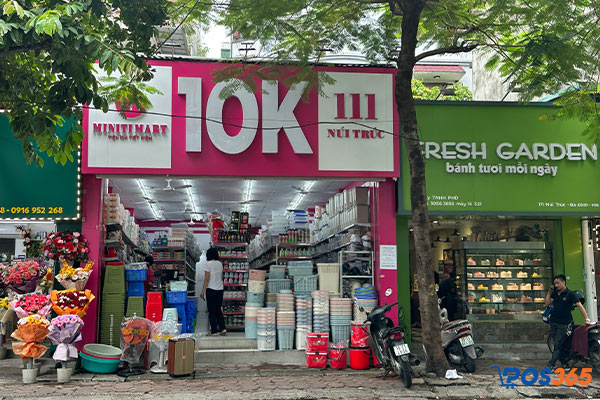
When shopping at street food stalls, local cafés, small shops, traditional markets or roadside vendors in Vietnam, you will often see prices written in a very short form, such as:
- 10K = 10,000 VND
- 15K = 15,000 VND
- 20K = 20,000 VND
- 30K = 30,000 VND
- 50K = 50,000 VND
- 100K = 100,000 VND
- 500K = 500,000 VND
So, if a menu says that a bowl of noodles costs 40K, it simply means 40,000 Vietnamese dong.
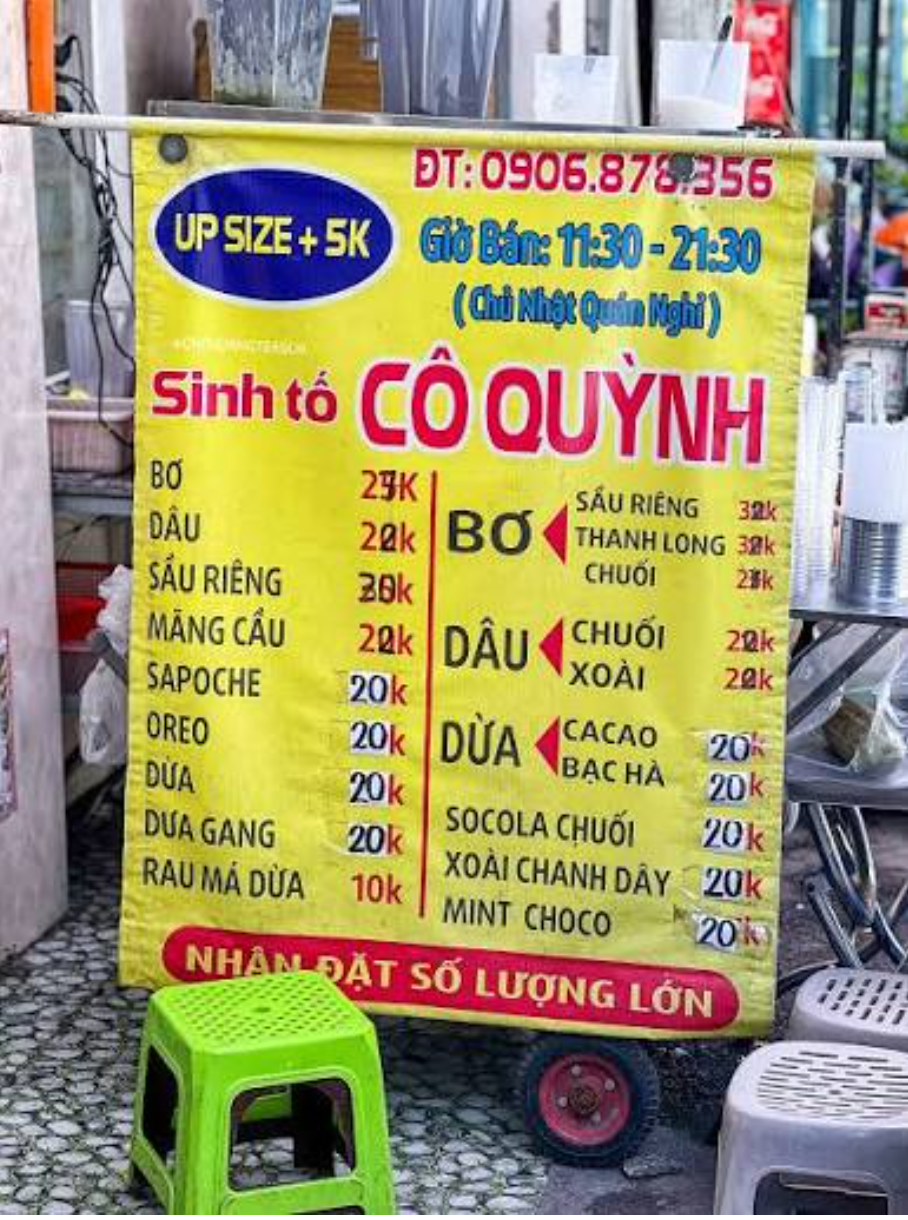
Why Do Vietnamese People Use “K”?
The letter “K” is a common abbreviation for “thousand.” It comes from the metric prefix kilo-, which represents 1,000.
In everyday Vietnamese life, people frequently use “K” when talking about prices because it is much shorter and easier to read than writing out all the zeros.
For example:
25K → 25 × 1,000 = 25,000 VND
120K → 120 × 1,000 = 120,000 VND
350K → 350 × 1,000 = 350,000 VND
You may see this notation not only on handwritten price signs but also on restaurant menus, online shopping platforms, social media posts and informal advertisements.
A Quick Trick for Travelers
Whenever you see a Vietnamese price ending in “K,” simply add three zeros to the number:
10K → 10,000 VND
35K → 35,000 VND
75K → 75,000 VND
150K → 150,000 VND
This is one of the simplest tricks to learn before traveling around Vietnam.
You may also encounter other informal ways of writing prices, such as “10 nghìn,” “10k,” “10K,” or simply “10.” The exact format varies from one seller to another, so if you are unsure whether a number means 10,000 VND or 10 VND, simply ask the seller to confirm the price.
Don’t Confuse “K” with the Currency
One important point: “K” is not a Vietnamese currency unit. It is simply an abbreviation used in everyday conversation and price displays.
The official currency remains the Vietnamese đồng (VND).
For example:
50K = 50,000 VND ≈ US$2
The exact US-dollar equivalent changes with the exchange rate, so it is best to think of prices primarily in VND rather than constantly converting everything into your home currency.
Why This Matters When Buying Things in Vietnam
Understanding “K” can save you a lot of confusion, especially during your first few days in Vietnam.
Imagine you are looking at a street-food menu and see:
Pho – 50K
This means the bowl of pho costs 50,000 VND, not 50 VND and not 500,000 VND.
Likewise:
Banh mi – 25K → 25,000 VND
Coffee – 30K → 30,000 VND
Fresh coconut – 40K → 40,000 VND
T-shirt – 150K → 150,000 VND
Once you get used to this simple notation, reading Vietnamese prices becomes much easier.
A Useful Tip: “K” May Be Written in Different Ways
Vietnamese sellers do not always use exactly the same format. You may see:
- 20K
- 20k
- 20 k
- 20 nghìn
- 20 ngàn
All of these can refer to 20,000 VND in everyday use.
You may also see prices written simply as “20” on an informal menu or handwritten sign. In a local context, this can sometimes mean 20,000 VND, but do not assume—if the price is unclear, ask before ordering.
A simple phrase you can use is:
“Bao nhiêu tiền?” — “How much does it cost?”
Or, if you want to confirm a price:
“Hai mươi nghìn đúng không?” — “Twenty thousand, right?”
Learning how Vietnamese prices are abbreviated is a small detail, but it can make a surprisingly big difference to your confidence when eating, shopping and traveling around the country.






Leave a Reply