Best Places to Visit in Southern Vietnam
Traveling through Southern Vietnam is a wonderful journey of discovery, offering the chance to experience breathtaking natural landscapes, diverse cultures, and a distinctive culinary heritage.
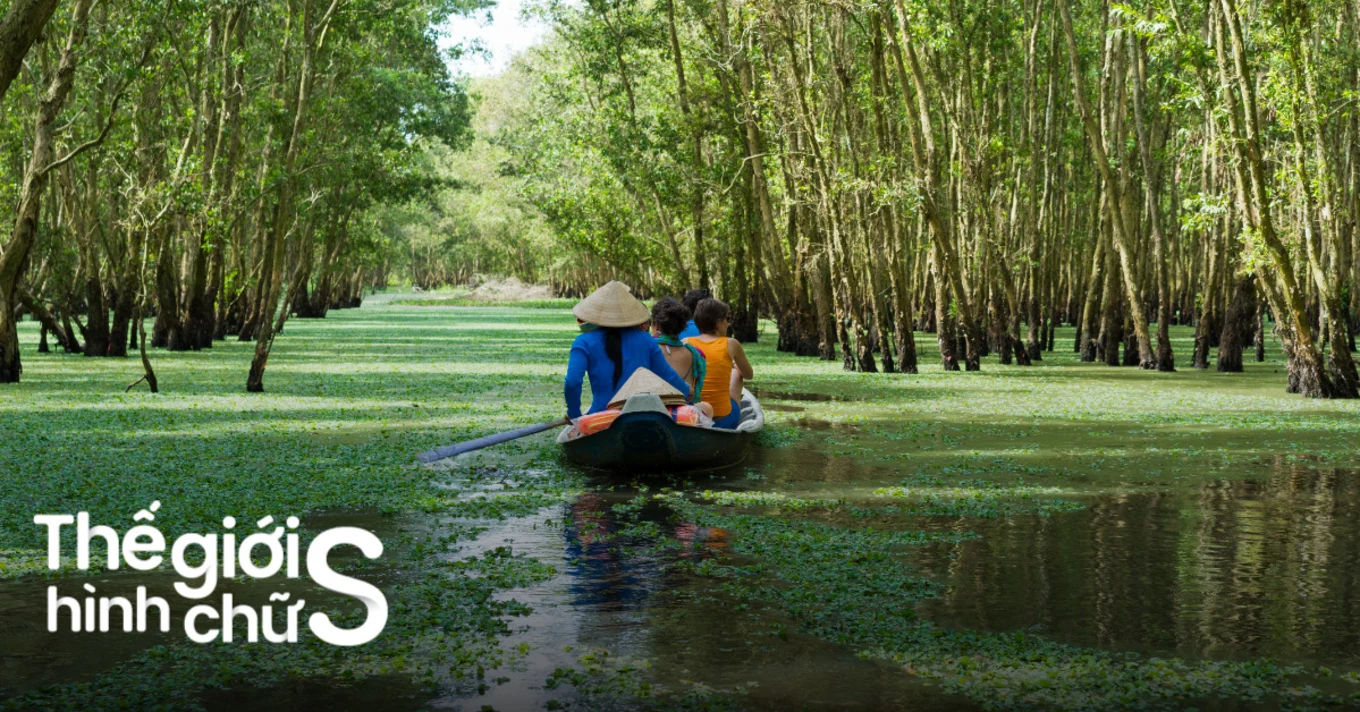
Southern Vietnam has long been a fascinating destination, bringing together a remarkable mix of cultural traditions, local cuisine, and natural scenery. From vast rice fields and winding rivers to white-sand beaches and lively urban streets, the southern region promises countless memorable experiences for travelers.
Join us as we explore the beauty of Southern Vietnam through some of the destinations you should not miss.
1. Kien Giang – Home to Countless Island Paradises
One of the most attractive destinations in Southern Vietnam, Kien Giang feels like a harmonious blend of the sea, mountains, forests, and the distinctive rhythm of life in the Mekong Delta. Located in the southwesternmost part of Vietnam, the province borders the Gulf of Thailand and is home to pristine forests and unspoiled island groups.
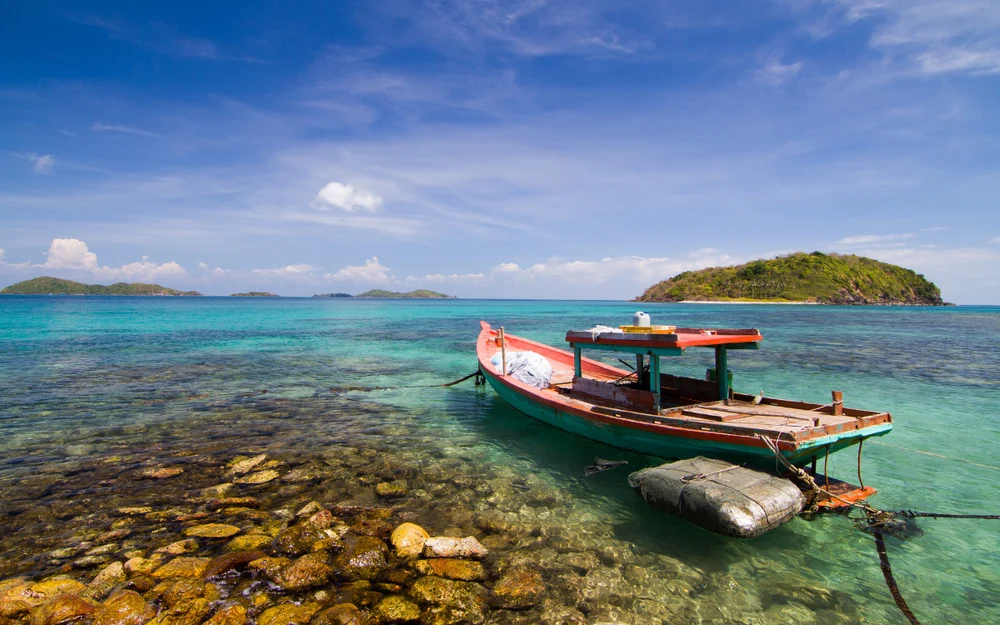
Kien Giang deserves to be called a true island paradise of Southeast Asia—not only because of its stunning scenery, but also because of the warm, simple, and genuine hospitality of its coastal communities.
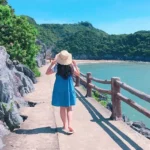
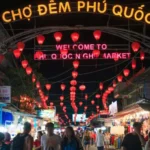
When talking about Kien Giang, it is almost impossible to overlook Phu Quoc, a tropical island paradise known for its crystal-clear turquoise waters, soft white-sand beaches, and an impressive range of experiences. You can relax on Sao Beach, go snorkeling around Gam Ghi Island, take a cable car ride across the sea, or spend a day exploring Vinpearl Safari and the dazzling Grand World after dark.
Beyond Phu Quoc, Kien Giang is also home to Nam Du Islands and the Pirate Islands, both ideal for travelers seeking a more remote and less crowded island experience. If you are passionate about nature and ecotourism, head to U Minh Thuong National Park, where a unique wetland ecosystem remains remarkably well preserved.
2. An Giang – The Seven Mountains and Authentic Mekong Delta Experiences
Located in the Mekong Delta, An Giang showcases the peaceful beauty that makes Southern Vietnam so distinctive. Rivers, canals, and vast rice fields come together to create a lush and tranquil landscape. It is an ideal destination for travelers who want to experience the Mekong Delta in a way that feels both authentic and deeply connected to local culture.
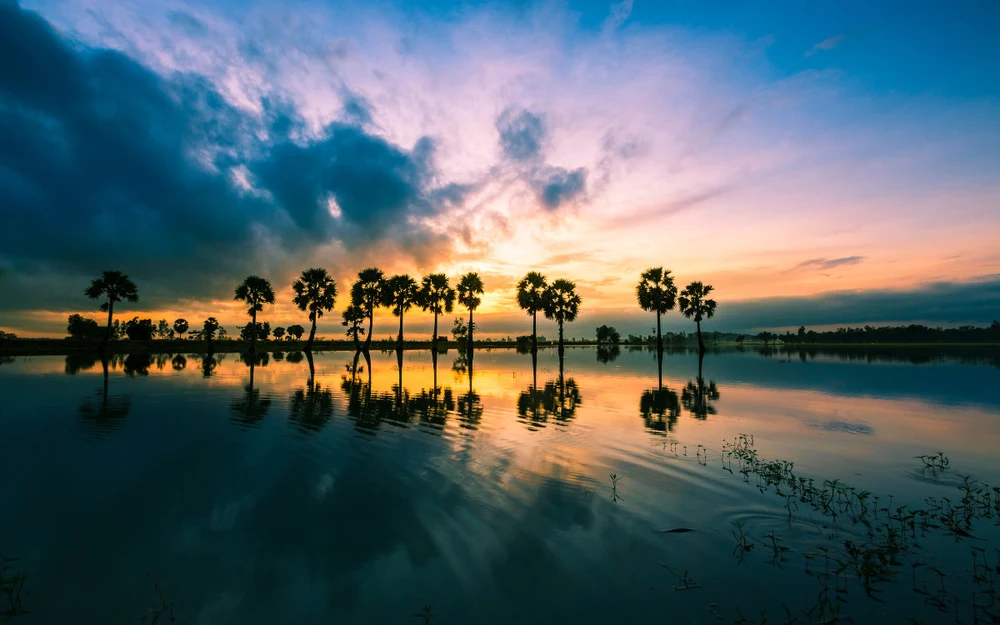
An Giang is particularly famous for its historic and sacred temples and pagodas, including Ba Chua Xu Temple, Tay An Ancient Temple, and Hang Pagoda. Beyond their spiritual significance, these sites also feature distinctive architecture and attract visitors from across Vietnam.
📍 Discovery: Travel Guide to Chau Doc – An Giang: What to Do? What to Eat?
If you visit at the right time, you may also have the opportunity to experience the lively atmosphere of traditional festivals such as the Ba Chua Xu Temple Festival at Sam Mountain, the Seven Mountains Ox Racing Festival, Dolta, and Chol Chnam Thmay. These celebrations offer fascinating insights into the cultural heritage of the local Khmer and Cham communities.
No trip to An Giang would be complete without trying some of the region’s distinctive Mekong Delta specialties, such as fish noodle soup, local fruits, and delicacies made from palm sugar and palm fruit—ingredients deeply associated with the landscapes and traditions of this region.
3. Dong Thap – Discover the Famous “Land of Flowers” in the Mekong Delta
When people think of Dong Thap, they often picture the fragrant pink lotus fields—the humble yet elegant flower that rises from the mud and blooms brilliantly beneath the open sky. But Dong Thap is much more than lotus flowers. It is also a living landscape of endless rice fields, abundant fruit gardens, and gentle waterways winding through peaceful rural communities.
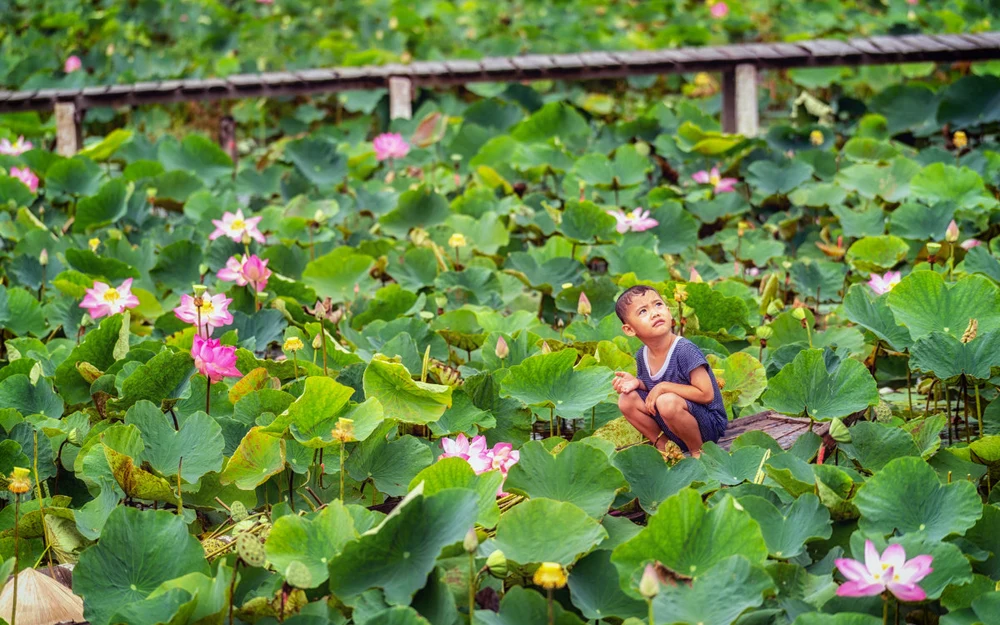
In Dong Thap, you can wander through Sa Dec Flower Village, which bursts into color throughout much of the year, listen to birdsong at Gao Giong Ecotourism Site, or take a boat through the Xeo Quyt Melaleuca forest. Once a wartime resistance base, Xeo Quyt is now a peaceful natural attraction where wild landscapes and history come together.
For a deeper look into the region’s cultural heritage, visit Huynh Thuy Le Ancient House, pay your respects at the tomb of Nguyen Sinh Sac, father of President Ho Chi Minh, or explore the famous Lotus Leaf Pagoda, where enormous lotus leaves are strong enough to support the weight of a person.
4. Ho Chi Minh City
Ho Chi Minh City, formerly known as Saigon, is not only Vietnam’s largest economic and cultural center but also a fascinating place where the past, present, and an ever-changing urban rhythm exist side by side.
Behind the city’s modern skyscrapers and endless streams of traffic lies a rich historical story, bustling traditional markets, and narrow alleyways filled with cafés, restaurants, and street food that seem to preserve the flavors of another era.
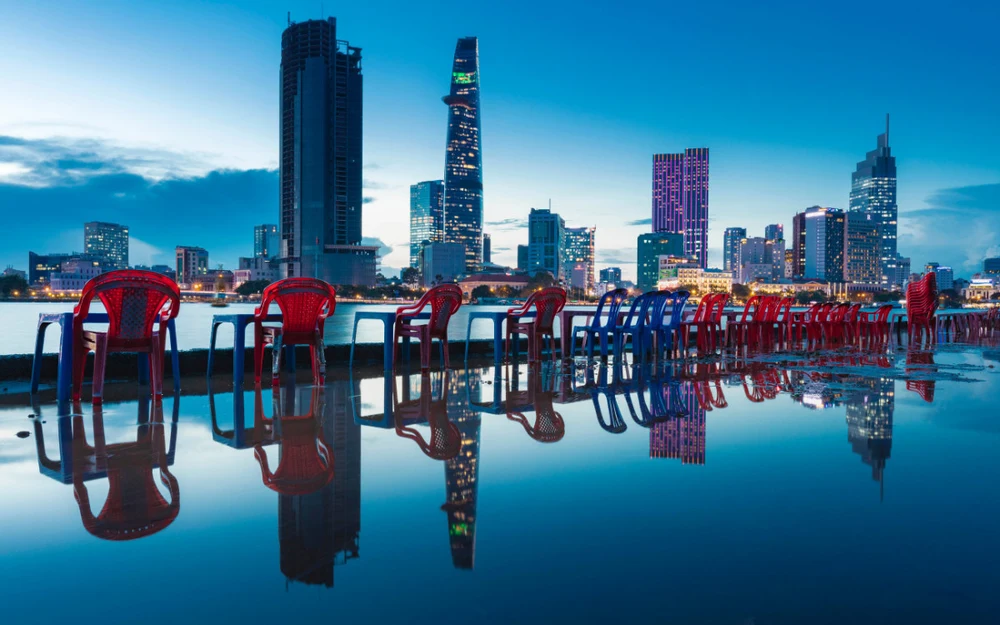
If you want to experience Saigon on foot and connect with the city on a deeper level, start with Independence Palace, Notre-Dame Cathedral Basilica of Saigon, and the Saigon Central Post Office—iconic landmarks that reflect the city’s French colonial heritage.
Then wander through Ho Thi Ky Market, where the aromas of street food mingle with colorful flower stalls, before heading to Ben Thanh Market to experience the lively atmosphere of Saigon through the sounds of vendors, shoppers, and everyday city life.
Want to venture a little farther from the city center? Head to Cu Chi, where an extraordinary network of underground tunnels tells stories of wartime history through the earth itself. Can Gio offers a completely different experience, with peaceful beaches, mangrove forests, and the salty, laid-back atmosphere of Vietnam’s southern waterways.
5. Tien Giang – A Fresh Destination in Southern Vietnam
More than just one of Vietnam’s most fertile rice-growing regions, Tien Giang is also home to many distinctive cultural traditions of the Mekong Delta. Here, life moves at a slower pace along the waterways, the fragrance of tropical fruit drifts through the air from riverside orchards, and historical landmarks remain a vivid part of the local landscape.
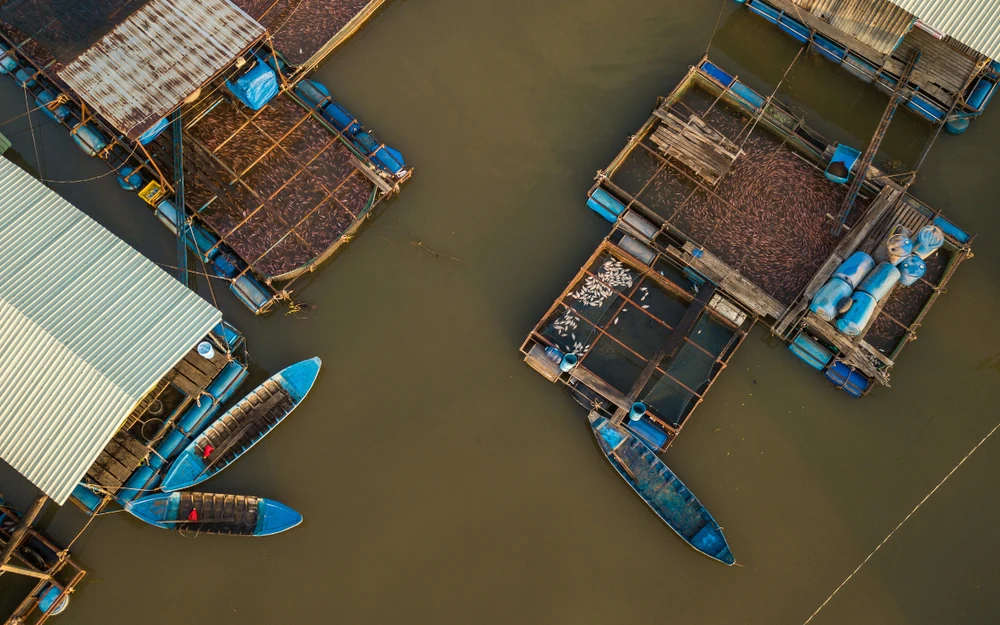
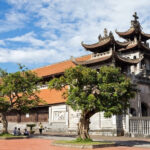
A journey through Tien Giang should begin at Vinh Trang Pagoda, a more-than-100-year-old Buddhist temple known for its elegant blend of Asian and European architectural influences. Other places worth visiting include Dong Tam Snake Farm, Sac Tu Linh Thu Pagoda, Thoi Son Island, and the Rach Gam–Xoai Mut historical site, where you can discover an important chapter of Vietnam’s history.
For travelers who love the lively atmosphere of life on the waterways, Cai Be Floating Market is an ideal place to experience the traditional trading culture of the Mekong Delta at its most authentic.
Tien Giang is also a destination for rustic local cuisine that leaves a lasting impression—from flavorful My Tho-style hu tieu noodle soup and refreshing sour fish soup to crispy fried sticky rice and grilled snakehead fish served with fresh garden herbs and tamarind dipping sauce. Every dish carries the unmistakable taste of the countryside.
6. Ben Tre – The Famous Coconut Land of the Mekong Delta
Located along the Mekong River, Ben Tre is a peaceful province known for its simple beauty and laid-back riverside lifestyle. Towering coconut palms, lush green landscapes, and a network of winding canals make Ben Tre an ideal destination for travelers looking to escape the bustle of city life and reconnect with nature.
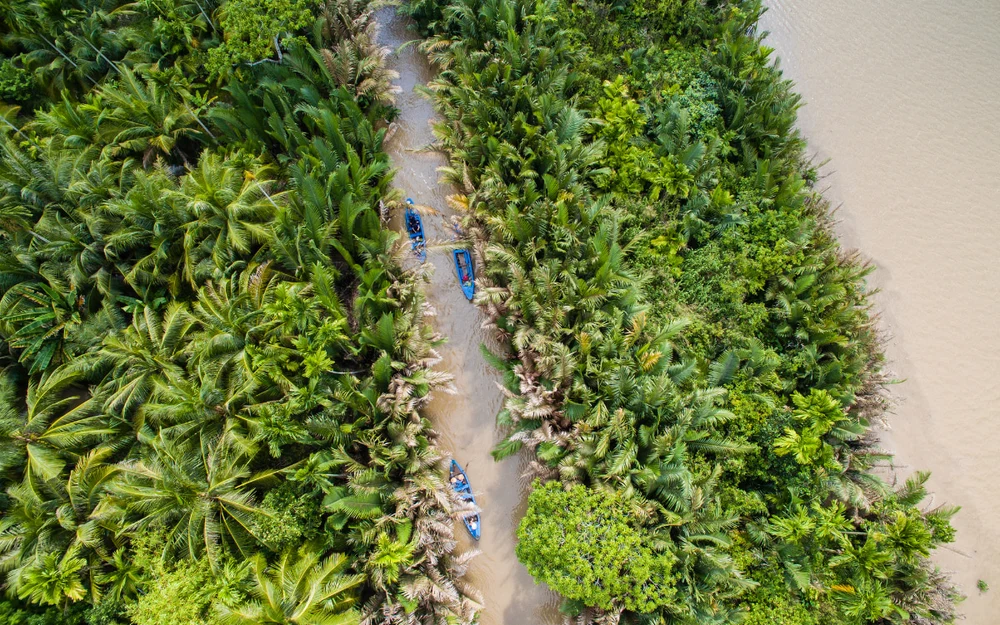
You can spend an entire day exploring Phung Island, Quy Island, Minh Island, Lam Vuong Tourism Area, the Floating Village Tourism Area, and a variety of historical and cultural attractions.
Notable sites include the Coconut Religion historical site, the tomb complex of the famous Vietnamese poet Nguyen Dinh Chieu, Dong Khoi Guerrilla Village, and Cho Lach Flower Village. Fruit lovers should also make time for Cai Mon, an area renowned for its tropical fruit gardens and lush orchards.
Whether you are taking a peaceful boat ride through the canals, visiting a coconut workshop, or sampling local specialties, Ben Tre offers an authentic glimpse into the relaxed rhythm of life in the Mekong Delta.
7. Vung Tau – A Popular Beach Getaway Near Saigon
Just around two hours from Ho Chi Minh City, Vung Tau has long been a favorite weekend escape for travelers looking to relax and recharge. Whether you travel by Greenlines DP high-speed ferry or a comfortable limousine, getting to Vung Tau is relatively quick and convenient—and the experience begins the moment you leave the city behind.
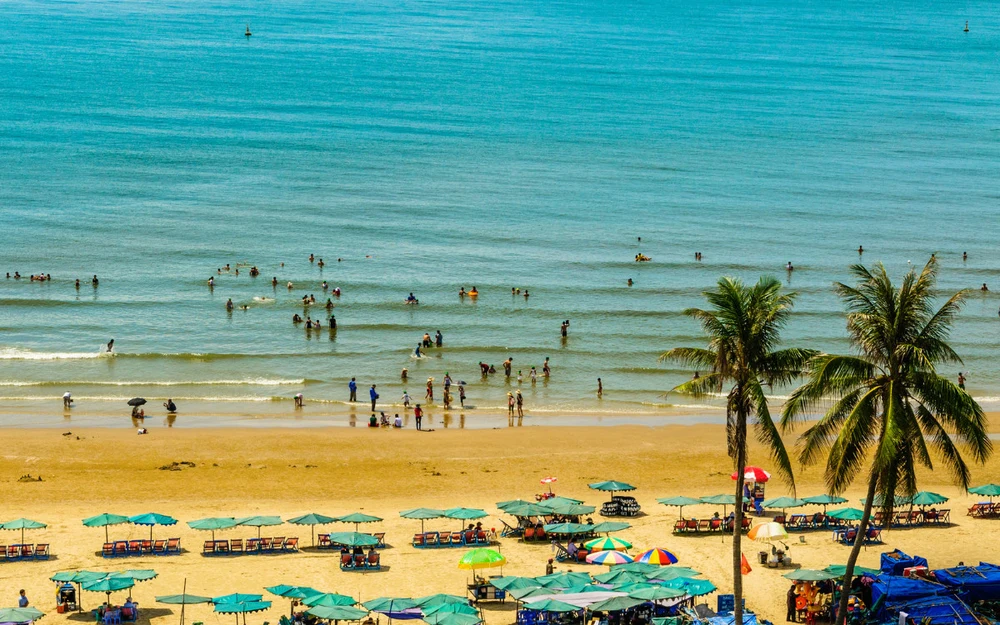
When visiting Vung Tau, Front Beach and Back Beach are the two coastal highlights you should not miss. Front Beach is lively and energetic, with opportunities for beach activities, sunbathing, and leisurely walks along the waterfront.
Back Beach, meanwhile, has a quieter and more relaxed atmosphere. It is an ideal place to sit by the sea and listen to the waves or take a barefoot stroll along the sand with someone special while watching the sunset.
But Vung Tau is about much more than beaches. Head up to the White Palace area for panoramic views of the city, take the cable car to Ho May Park, or unwind at Binh Chau Hot Springs, where you can relax and recharge after a busy week.
Whether you are looking for a laid-back weekend or an action-packed getaway, Vung Tau has something to suit almost every mood. So, have you planned your weekend escape yet?
8. Dong Nai – A Green Escape Just Outside Ho Chi Minh City
Less than two hours from Ho Chi Minh City, Dong Nai is an inviting destination for anyone who wants to “escape the city and return to nature” without having to travel too far.
The province offers everything you need to temporarily leave behind the fast pace of urban life: lush greenery, fresh air, outdoor activities, and peaceful spaces where you can truly relax.
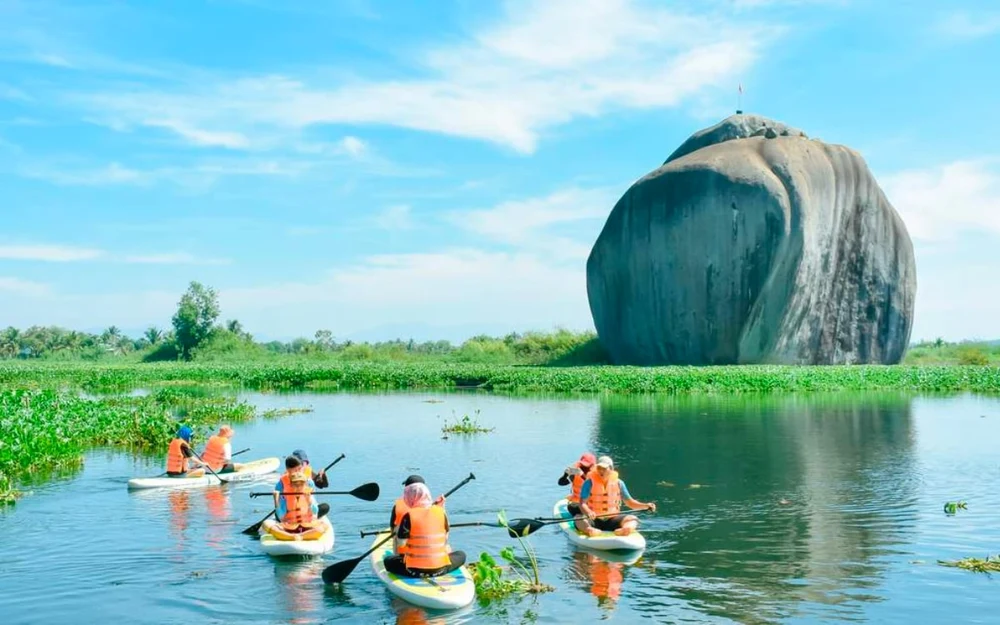
From Chua Chan Mountain, a popular trekking destination featuring a cable car and spectacular green landscapes, to relaxing attractions such as Giang Dien Waterfall, Buu Long Ecotourism Area, and Bo Cap Vang with its wide range of water activities, each destination offers a different experience to explore.
If you are traveling with friends or planning a team-building trip, Cao Minh Tourism Area is worth considering. For those who prefer a closer connection with wildlife and nature, Vuon Xoai will surprise you with its entertaining mini-safari experience.
9. Tra Vinh – A Peaceful Blend of Nature and Culture
Tra Vinh is particularly known for its intricate network of canals, rivers, and waterways, along with clear ponds and long stretches of coastline. Its distinctive landscapes make the province an appealing destination for nature lovers and travelers seeking a peaceful escape from the noise and crowds of urban life.
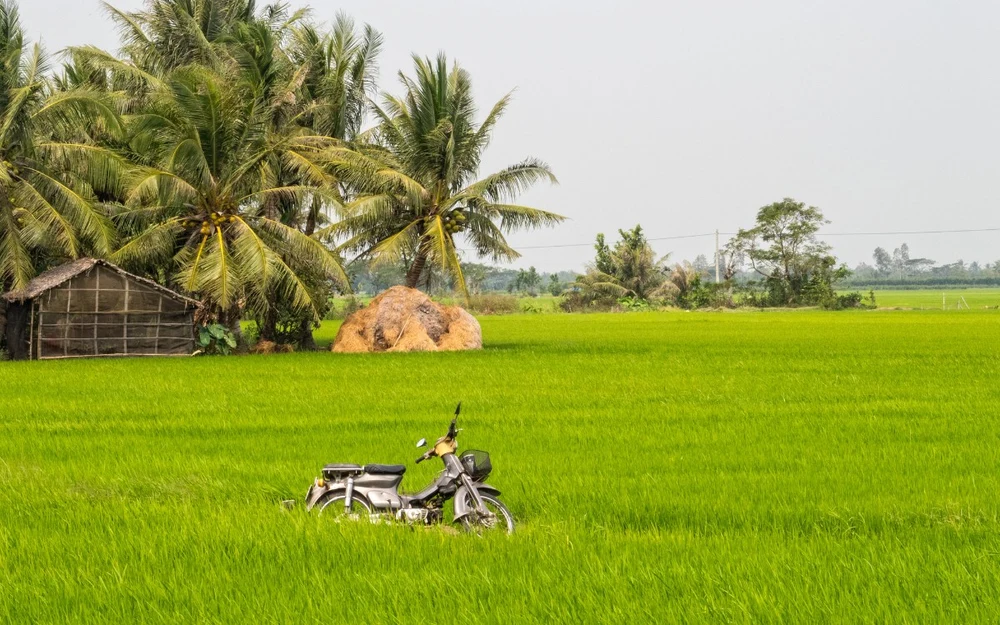
However, Tra Vinh is more than just beautiful scenery. It is also one of the places where Vietnam’s cultural diversity can be experienced most clearly.
The province is home to three major ethnic communities—the Kinh, Khmer, and Hoa—creating a rich and fascinating cultural landscape shaped by different traditions, beliefs, architecture, and ways of life.
During your visit, you can explore well-known attractions such as Ba Om Pond, Hang Pagoda, Vam Ray Pagoda, Ang Pagoda, Tan Quy Island, Ba Dong Beach, and the Mangrove Forest Ecotourism Area.
For travelers interested in discovering the cultural diversity of Southern Vietnam, Tra Vinh offers an experience that goes far beyond sightseeing.
10. Tay Ninh – A Sacred Land Rich in Southern Vietnamese Culture
Located approximately 90 kilometers from Ho Chi Minh City, Tay Ninh is an excellent choice for a short getaway that combines nature, spirituality, and the distinctive cultural character of Southern Vietnam.
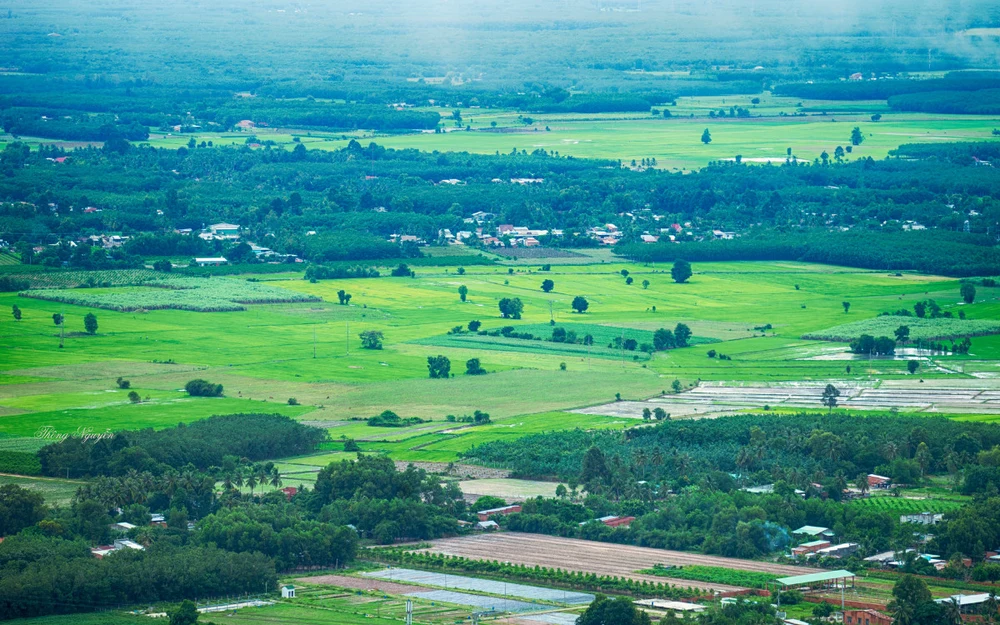
This is a land where unique religious traditions, natural landscapes, and striking architecture come together to create a fascinating journey of discovery.
The first stop on your itinerary should be the Cao Dai Holy See, the spiritual center of the Cao Dai religion. Its colorful and highly symbolic architecture immediately captures the attention.
Brightly decorated domes, intricately carved columns, and a peaceful atmosphere give the complex a solemn yet otherworldly character. Walking through the grounds can feel almost like stepping into a different world—one that is mysterious, symbolic, and unlike anything else you may have encountered in Vietnam.
11. Ca Mau – Discover Vietnam’s Southernmost Point
Whenever you look at Vietnam’s distinctive S-shaped map, your eyes eventually reach Ca Mau—the southernmost tip of the country, where three sides meet the sea and vast mangrove forests embrace the waves.
But Ca Mau is special for more than its geographical location. It is also a wild, open, and proudly distinctive land, carrying a character all its own at the far southern edge of Vietnam.
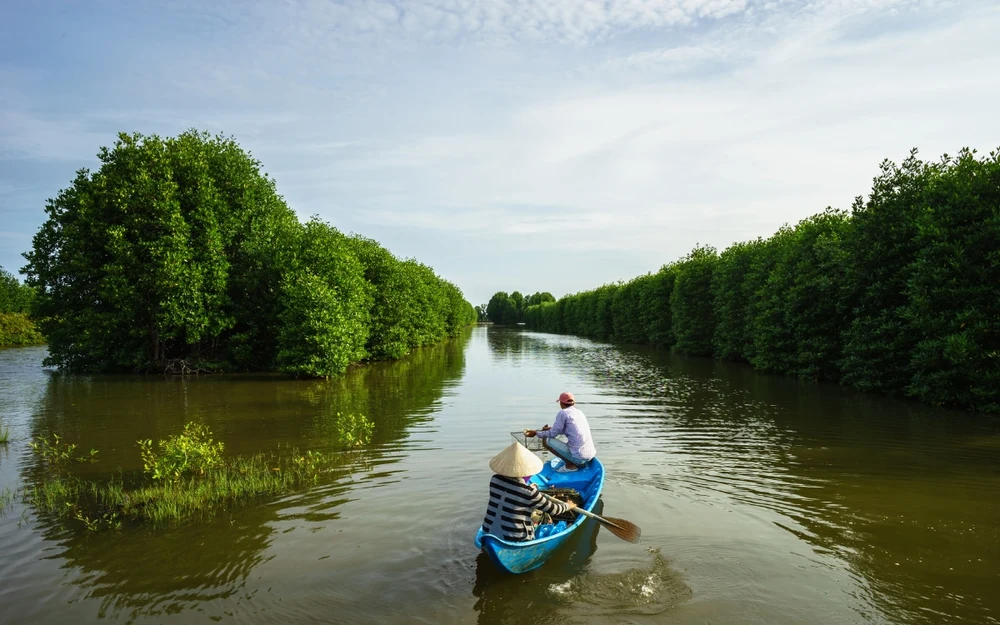
Ca Mau Cape, home to GPS landmark 0001, is a destination that many passionate travelers dream of visiting at least once. Standing at the southernmost point of Vietnam and looking out toward the vast sea, with waves crashing beneath the observation deck, creates a profound feeling of standing at the sacred meeting point of land, sky, and ocean.
Ca Mau is also a place where nature seems to tell its own stories. The mysterious U Minh Ha cajeput forest creates an atmosphere of wilderness and intrigue, while Hon Da Bac is associated with fascinating local legends and spiritual traditions. Thị Tường Lagoon, often described as a “lake in the middle of the Mekong Delta,” stretches across the vast southern landscape, while Hon Khoai Island retains much of its untouched character, offering a glimpse of a coastline that has remained relatively undisturbed by human development.
There is no rush and no overwhelming noise here. Ca Mau simply embraces travelers who appreciate authenticity, simplicity, and the chance to listen to nature in the rustling mangrove trees, rolling waves, and ever-changing mudflats.
If you have ever dreamed of taking a journey to “touch the homeland,” Ca Mau is a deeply meaningful place to begin—and perhaps to end—that journey.
Discover the Beauty of Southern Vietnam
With its remarkable diversity of natural landscapes, cultural traditions, local communities, and culinary experiences, Southern Vietnam promises travelers countless new and fascinating discoveries.
From tropical islands and peaceful waterways to bustling cities, traditional villages, sacred sites, and the remote landscapes of the Mekong Delta, every destination offers a different perspective on the character of southern Vietnam.
So get ready to embark on your journey through Southern Vietnam, slow down, explore beyond the familiar, and create unforgettable memories along the way.

Leave a Reply