Top 25 Best Places to Visit in Hoi An, Vietnam
What are the most beautiful places to visit in Hoi An? This is a common question among travelers planning to explore this enchanting heritage destination. Hoi An brings together beautifully preserved historic sites, breathtaking scenery, a rich culinary scene, and fascinating traditional festivals, making it one of the most captivating destinations in central Vietnam.
If Hoi An is on your travel list, this guide will help you discover some of the best places to visit and experiences to enjoy. From centuries-old houses and Chinese assembly halls to colorful markets and iconic landmarks, Hoi An offers countless opportunities to explore, take stunning photographs, and immerse yourself in the atmosphere of Vietnam’s historic trading port.
So, get your favorite outfits ready, bring your camera, and prepare to strike some unforgettable poses as you wander through the charming streets of Hoi An!
Administrative note: Following the recent administrative merger of Quang Nam Province and Da Nang City, Hoi An is now part of the newly expanded Da Nang City. The destinations below are located in what was formerly Hoi An City and Quang Nam Province.
1. Top 25 Best Places to Visit in Hoi An
1.1. VinWonders Nam Hoi An
📍Address: Thang An Commune, Da Nang City
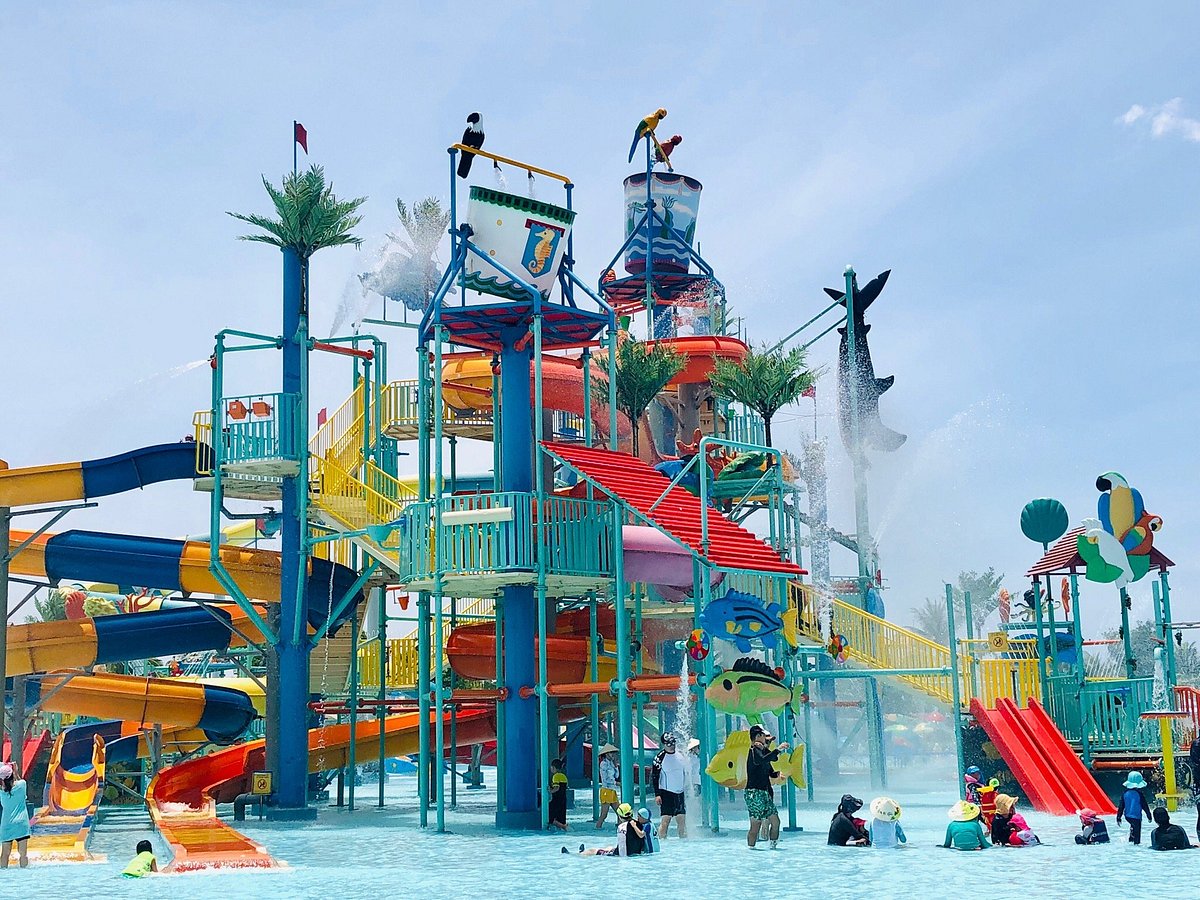
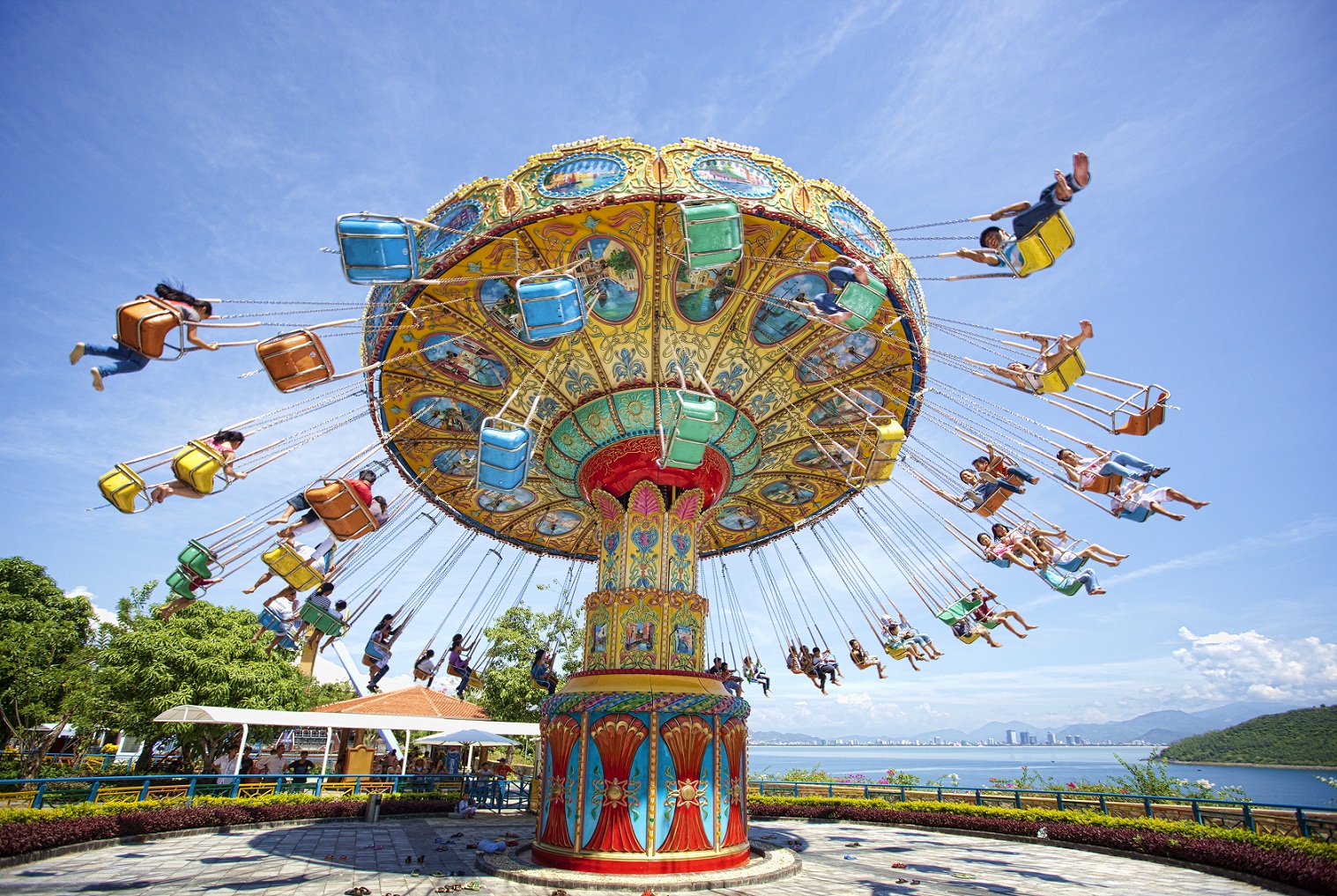
Hoi An is not only about charming ancient streets and picture-perfect historic buildings. For travelers looking for excitement and modern entertainment, VinWonders Nam Hoi An offers a completely different experience.

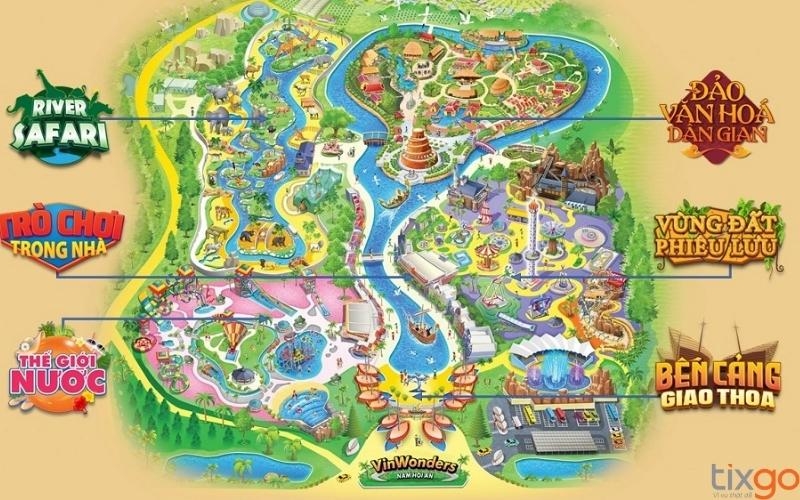
Located approximately 17 km from Hoi An Ancient Town, this expansive entertainment complex is divided into five distinct areas, combining thrilling attractions with cultural experiences.
Visitors can enjoy exciting rides and activities while also discovering Vietnamese and international culture, traditional architecture, folk art, and heritage. It is an excellent option for families and travelers who want to combine relaxation, entertainment, and cultural exploration in one day.
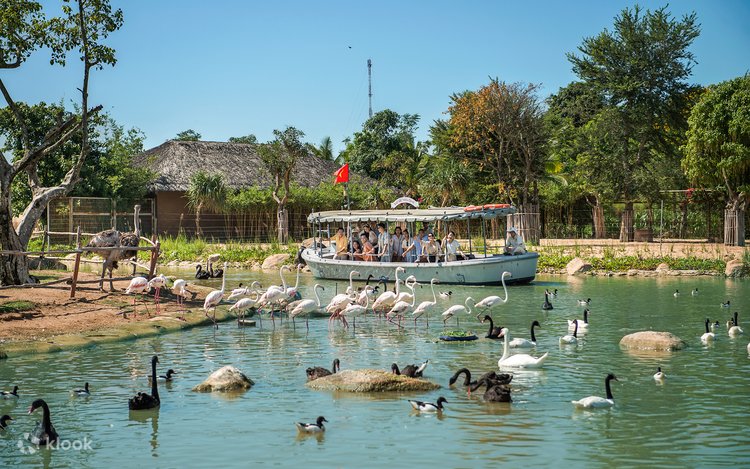
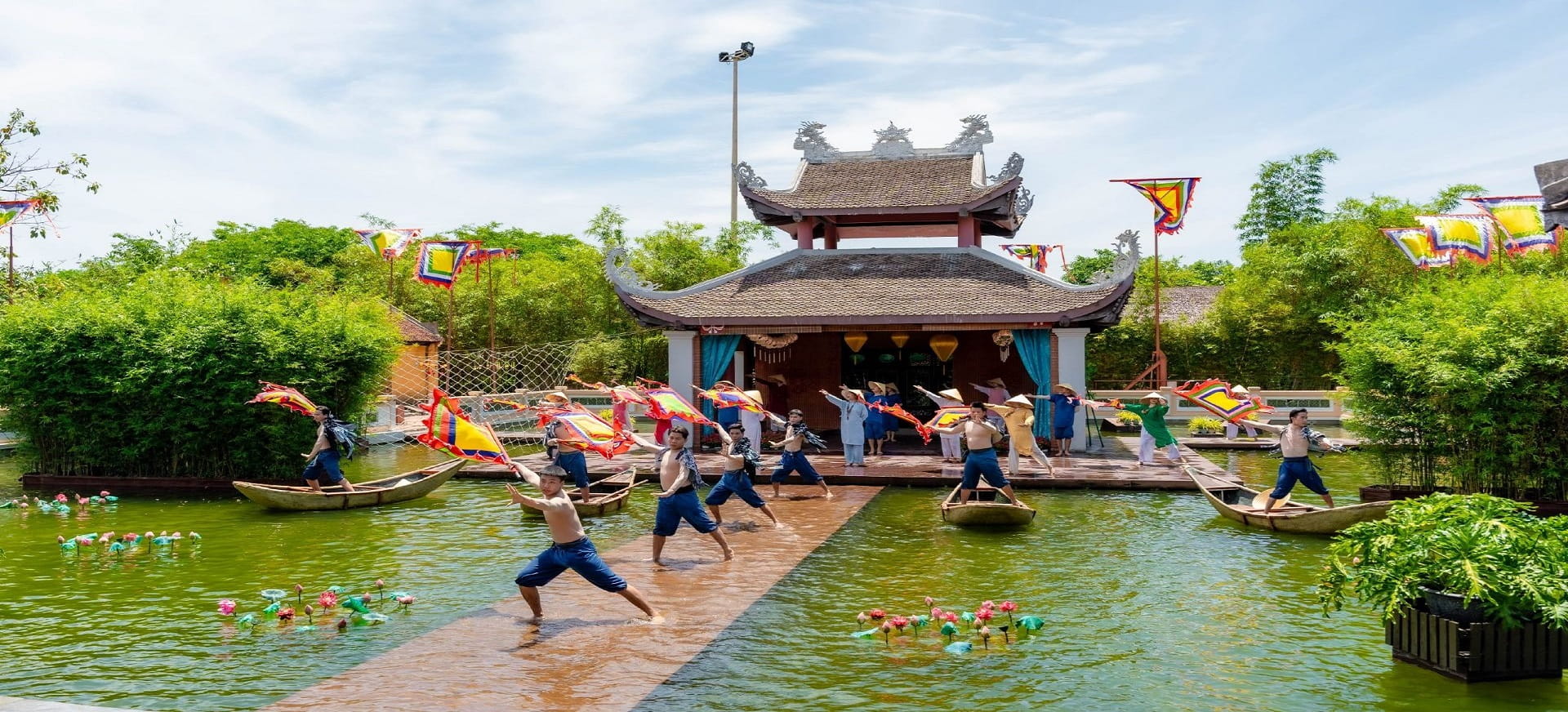
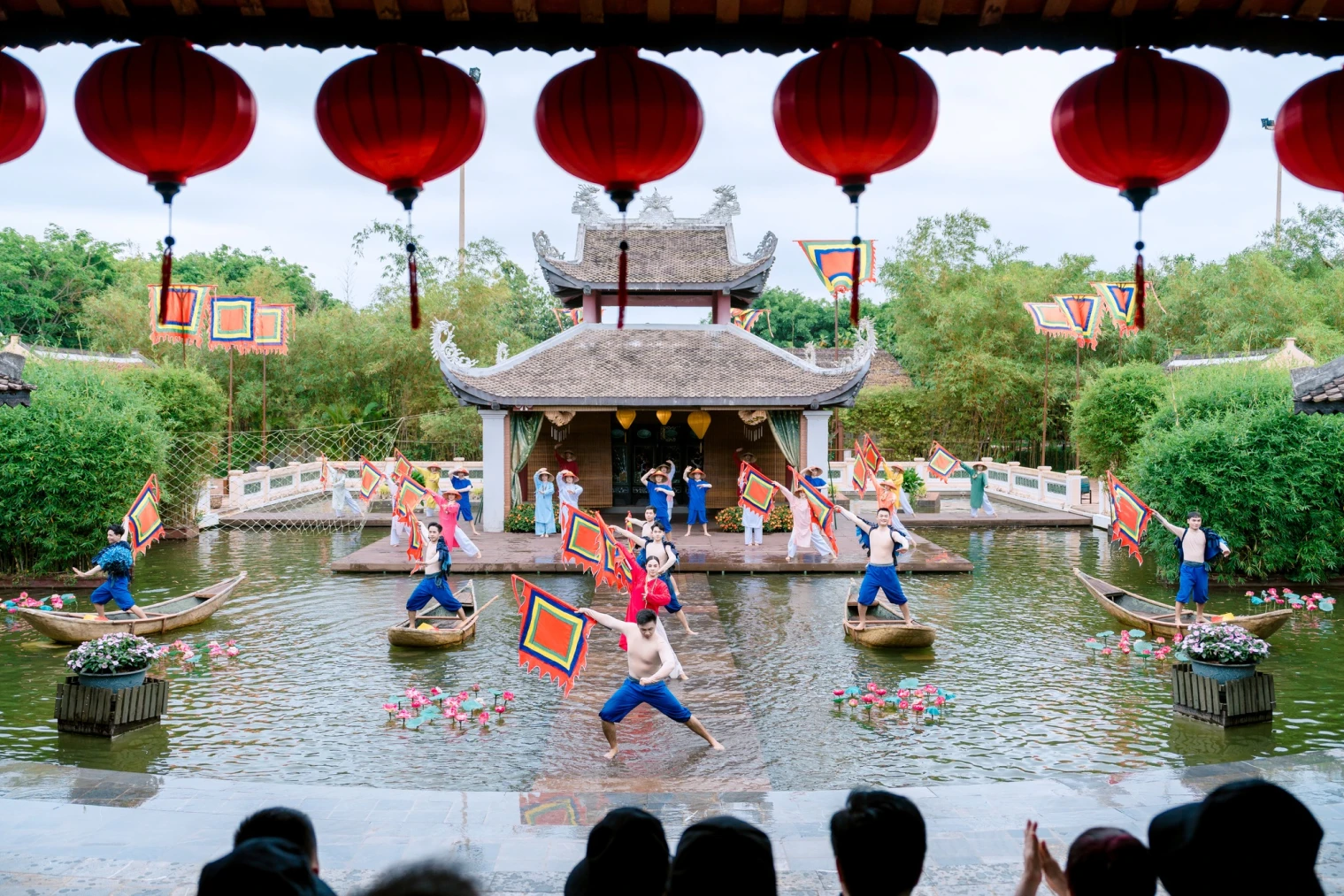
Some actual photos from VinWonders Hoi An, Vietnam:

1.2. Fujian Assembly Hall
📍Address: 46 Tran Phu Street, Hoi An
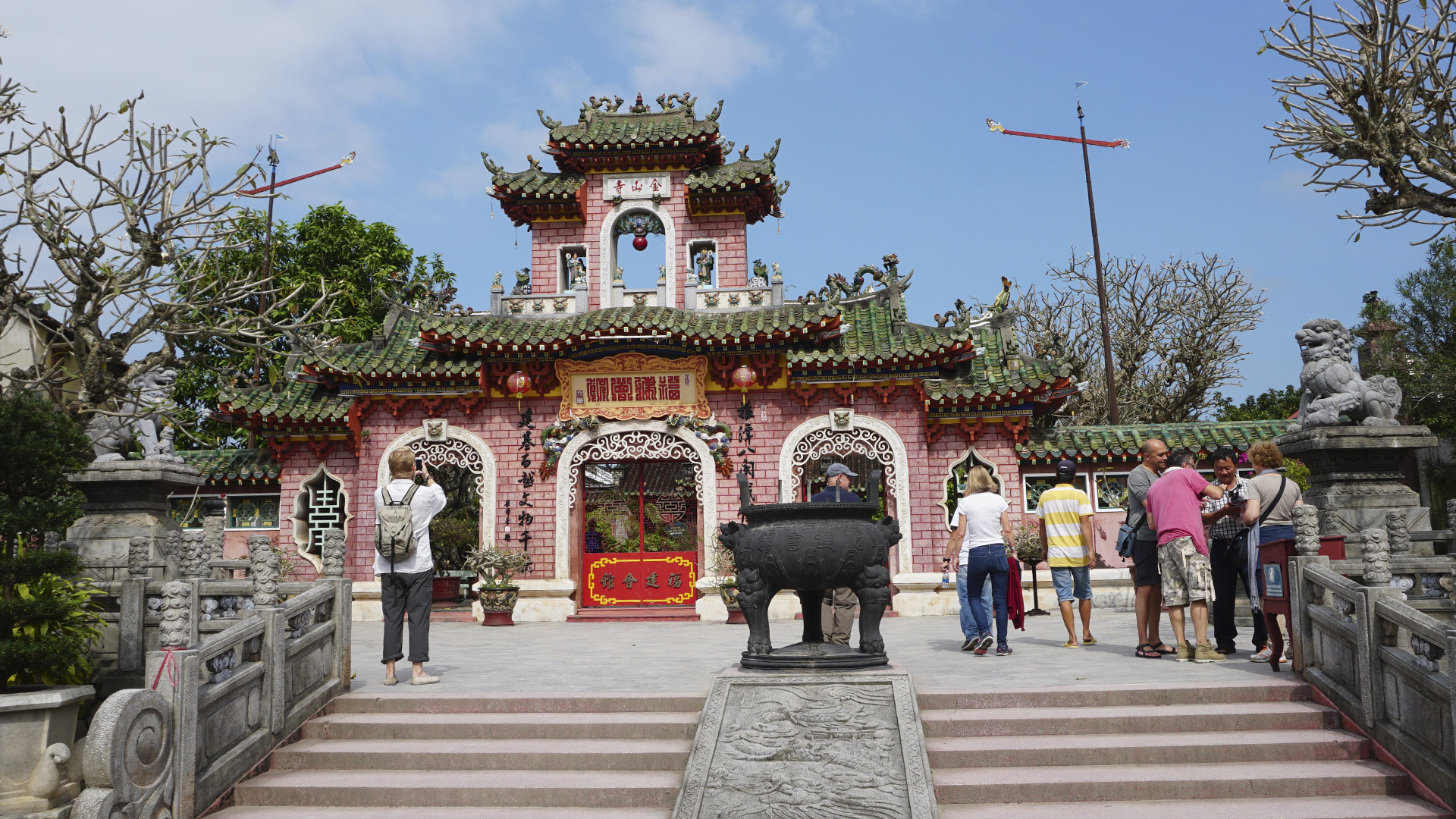
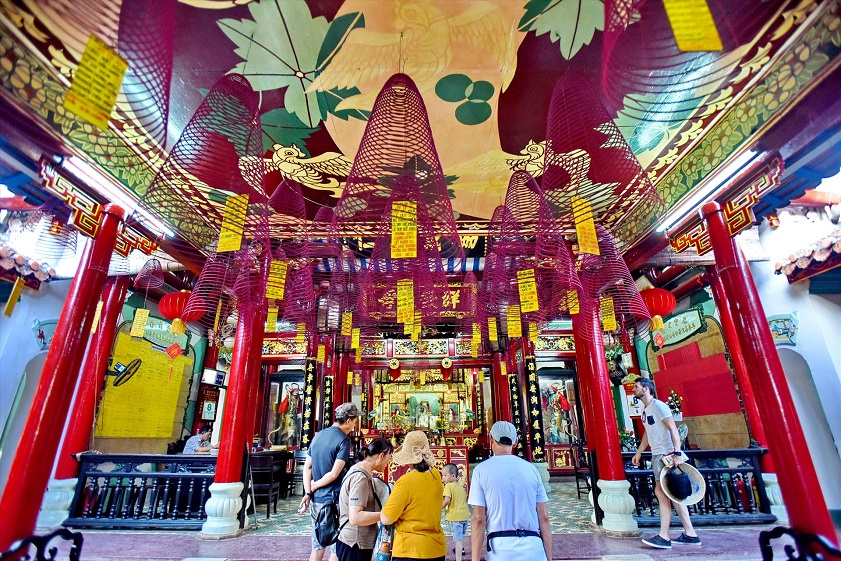
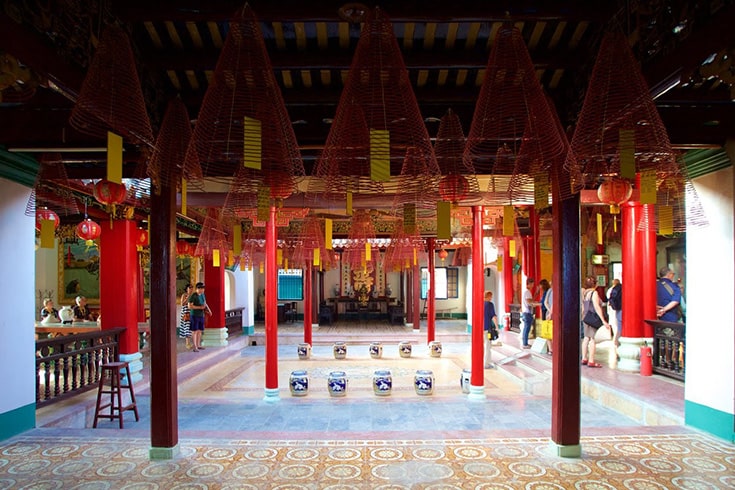
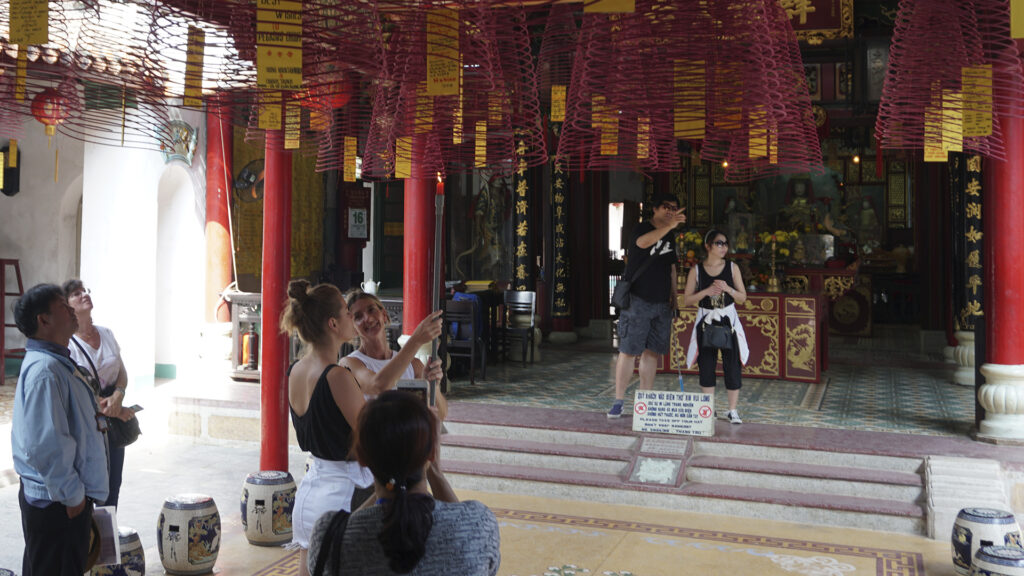
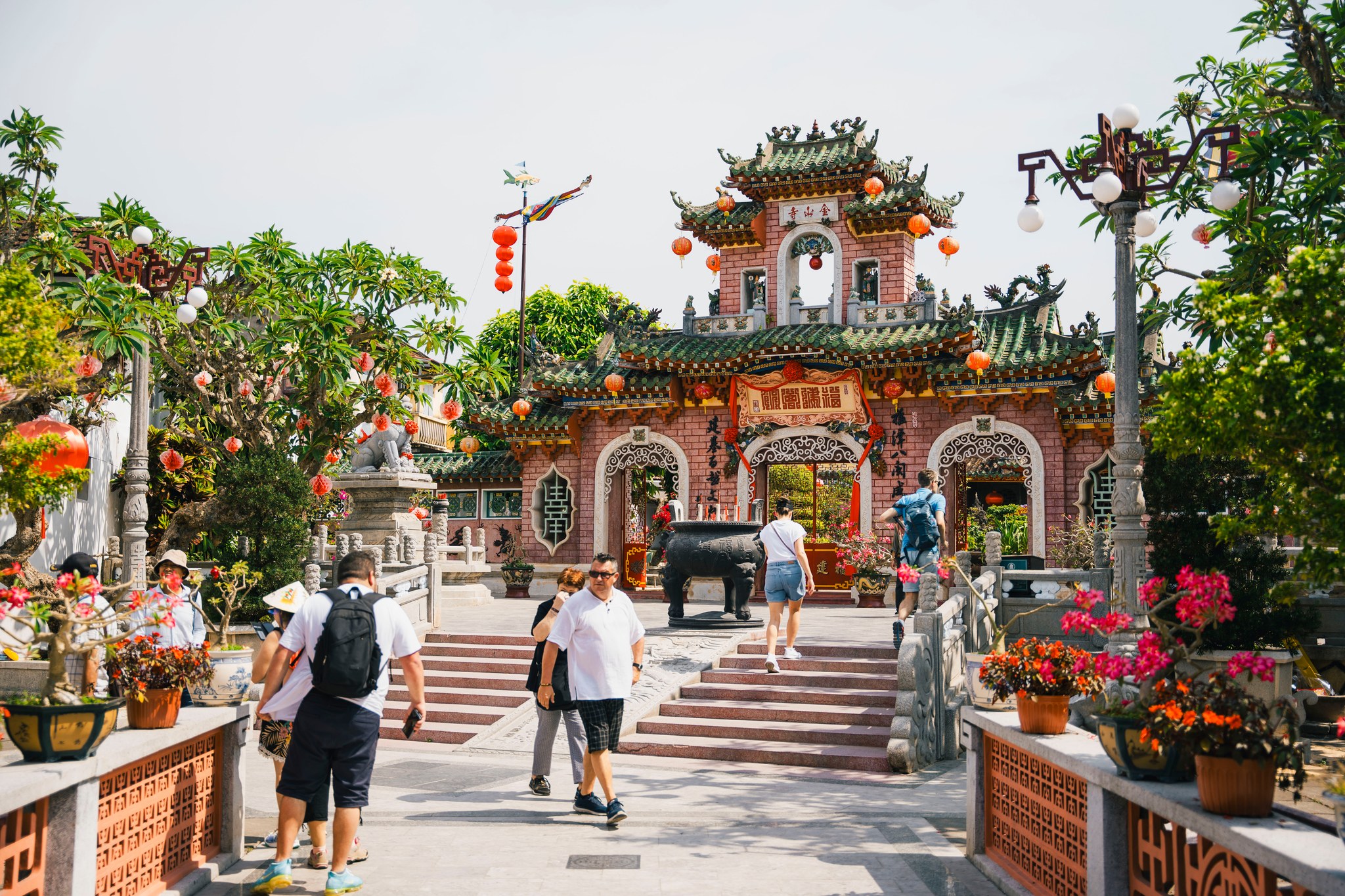
With its grand architecture, spacious grounds, ornate decorations, and distinctive Chinese design, the Fujian Assembly Hall is one of Hoi An’s most famous historical landmarks.
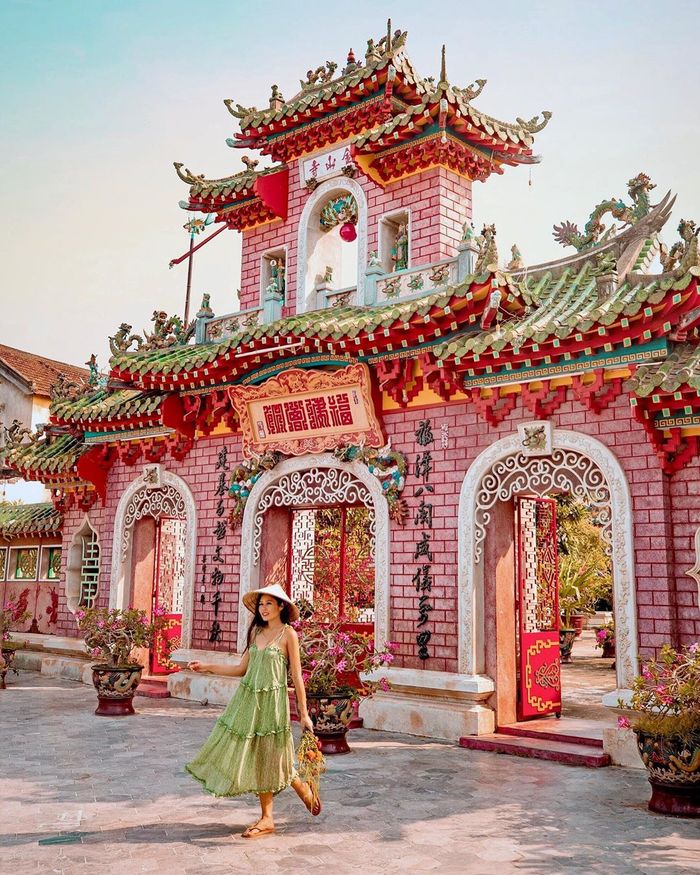
The complex features elaborate gates, colorful carvings, intricate roof decorations, and a peaceful courtyard that offers a glimpse into the cultural heritage of the Chinese community that once lived and traded in Hoi An.
For visitors exploring the Ancient Town, this impressive assembly hall is a fascinating stop for both photography and cultural discovery.
Some actual photos from Fujian Assembly Hall Hoi An, Vietnam:
1.3. Chaozhou Assembly Hall
📍Address: 157 Nguyen Duy Hieu Street, Hoi An
The Chaozhou Assembly Hall is another architectural gem worth visiting in Hoi An.
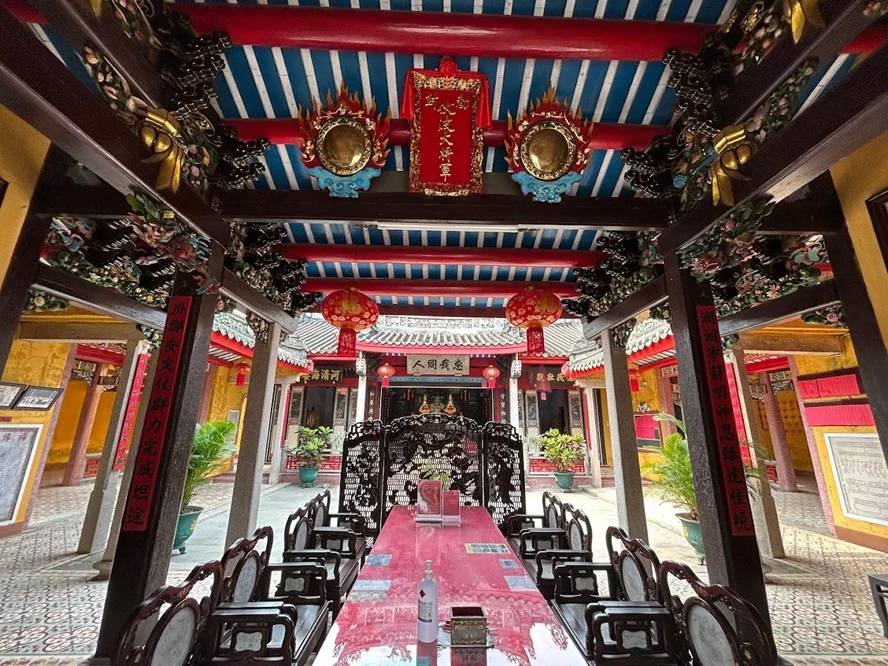
Step inside and you will find beautifully carved wooden details, intricate decorative patterns, and an elegant traditional design that reflects the heritage of the Chaozhou Chinese community.
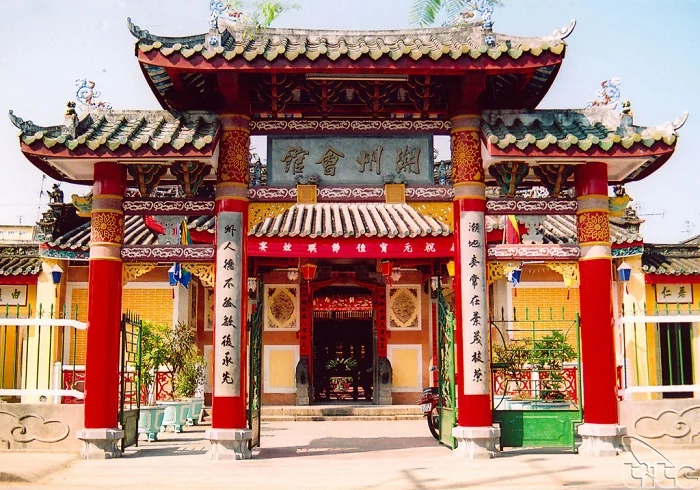
The assembly hall is dedicated to deities believed to control the winds and waves. Historically, local residents came here to pray for calm seas and safe journeys, particularly when traveling or trading by sea.
Today, it offers visitors a fascinating glimpse into the spiritual traditions and cultural history of Hoi An’s former merchant community.
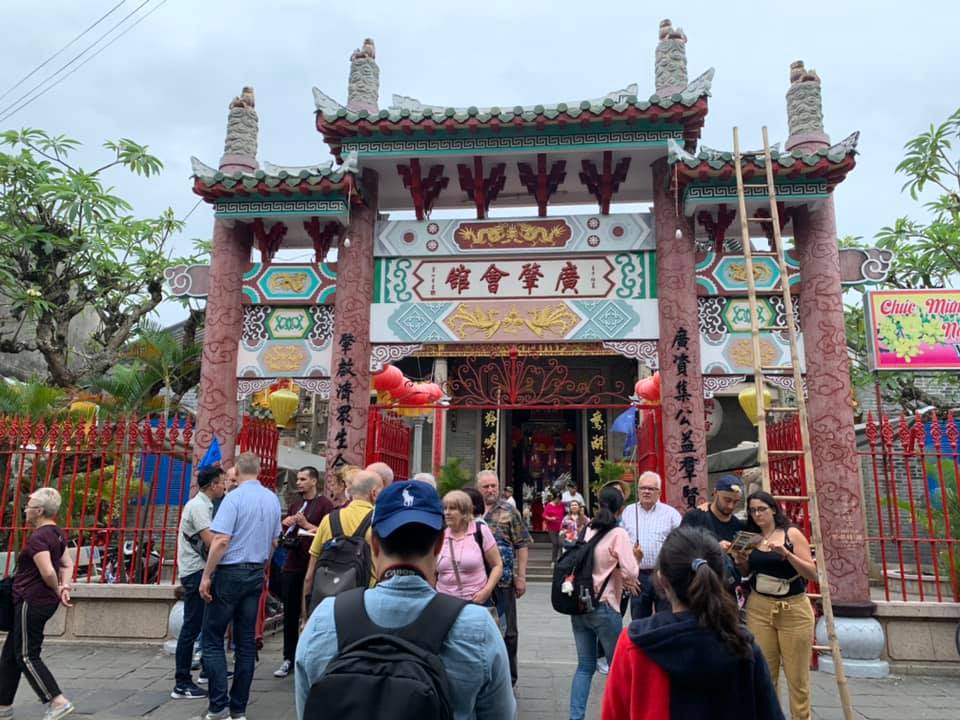
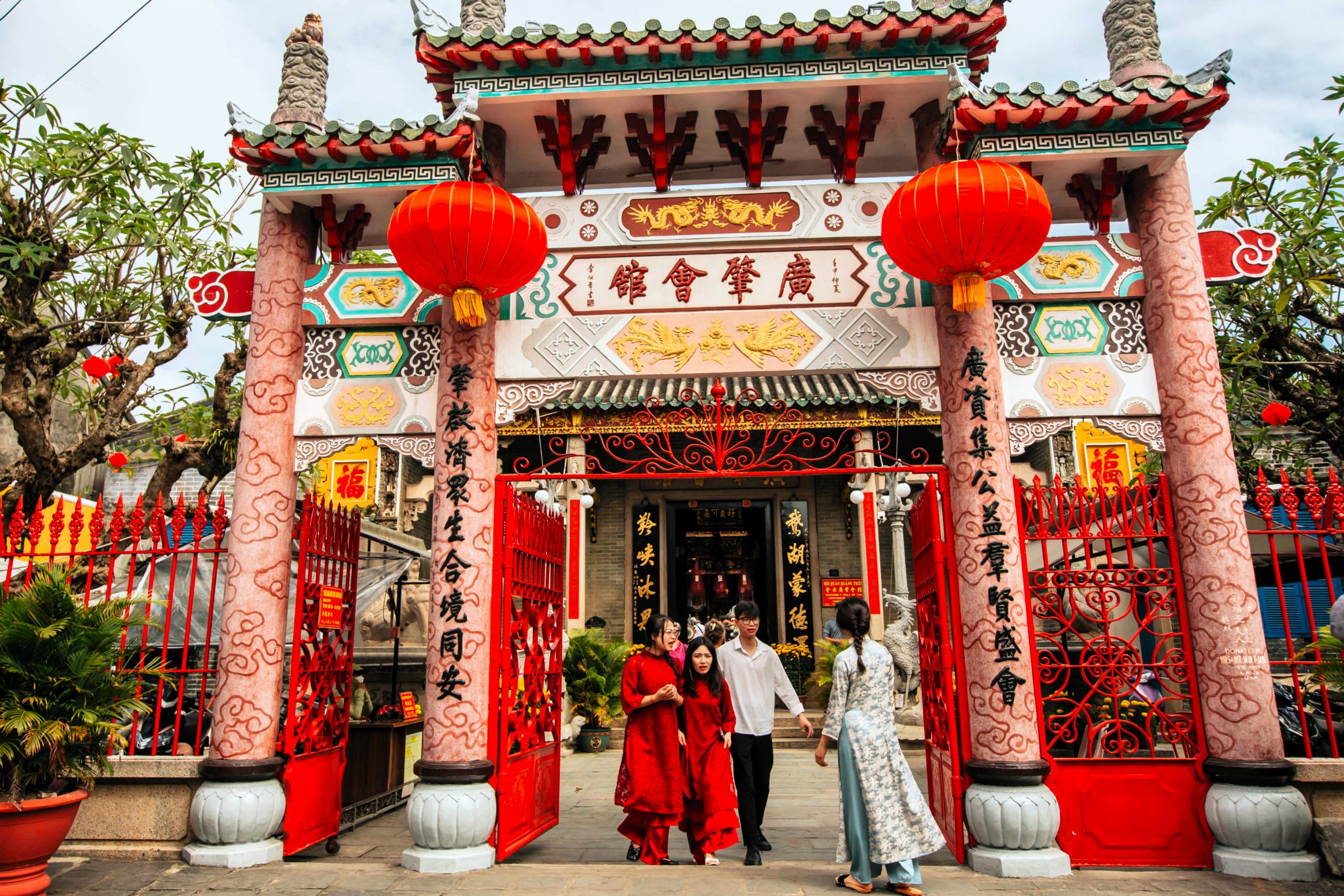
Some actual photos from Chaozhou Assembly Hall Hoi An, Vietnam:
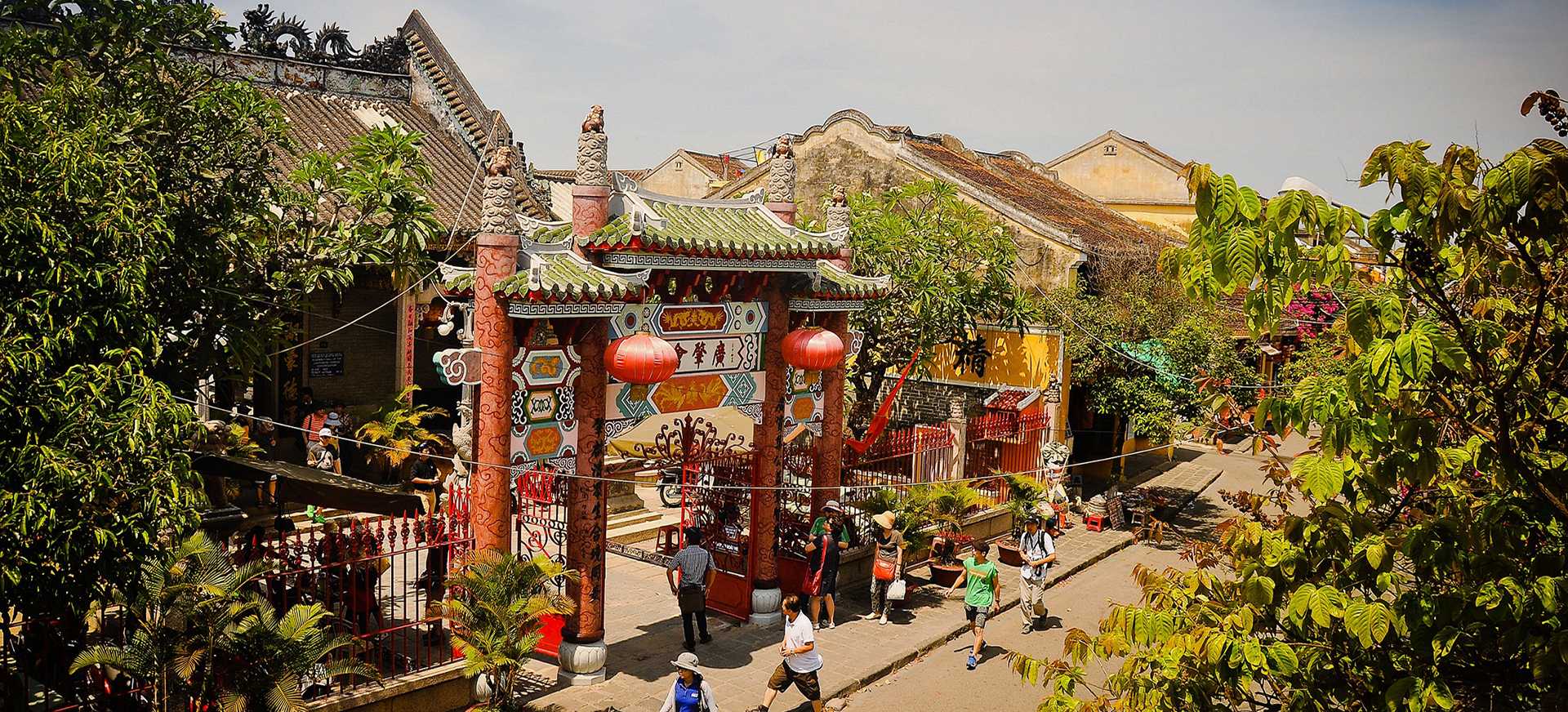
1.4. Cantonese Assembly Hall
📍Address: 176 Tran Phu Street, Hoi An
Built in 1885, the Cantonese Assembly Hall is distinguished by its imposing architecture and richly decorated interiors.
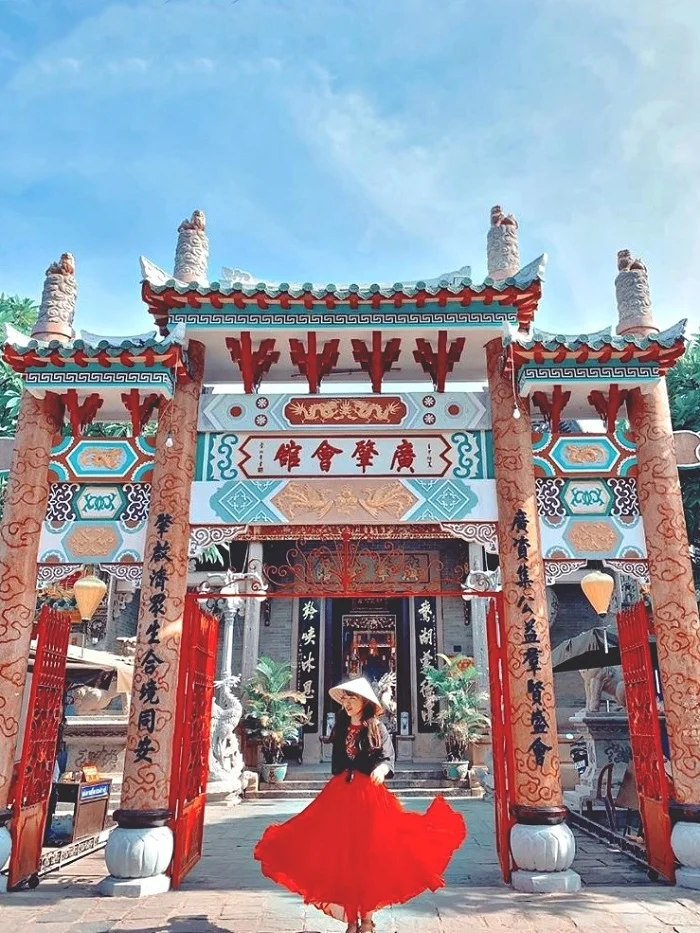
The complex preserves a collection of historic objects and architectural details that reflect the cultural influence of the Cantonese community in Hoi An.
The assembly hall also comes alive during important traditional celebrations, particularly the Lantern Festival on the 15th day of the first lunar month and the annual celebration honoring Guan Yu on the 24th day of the sixth lunar month.
If you are interested in Hoi An’s multicultural history, this is a fascinating place to explore.
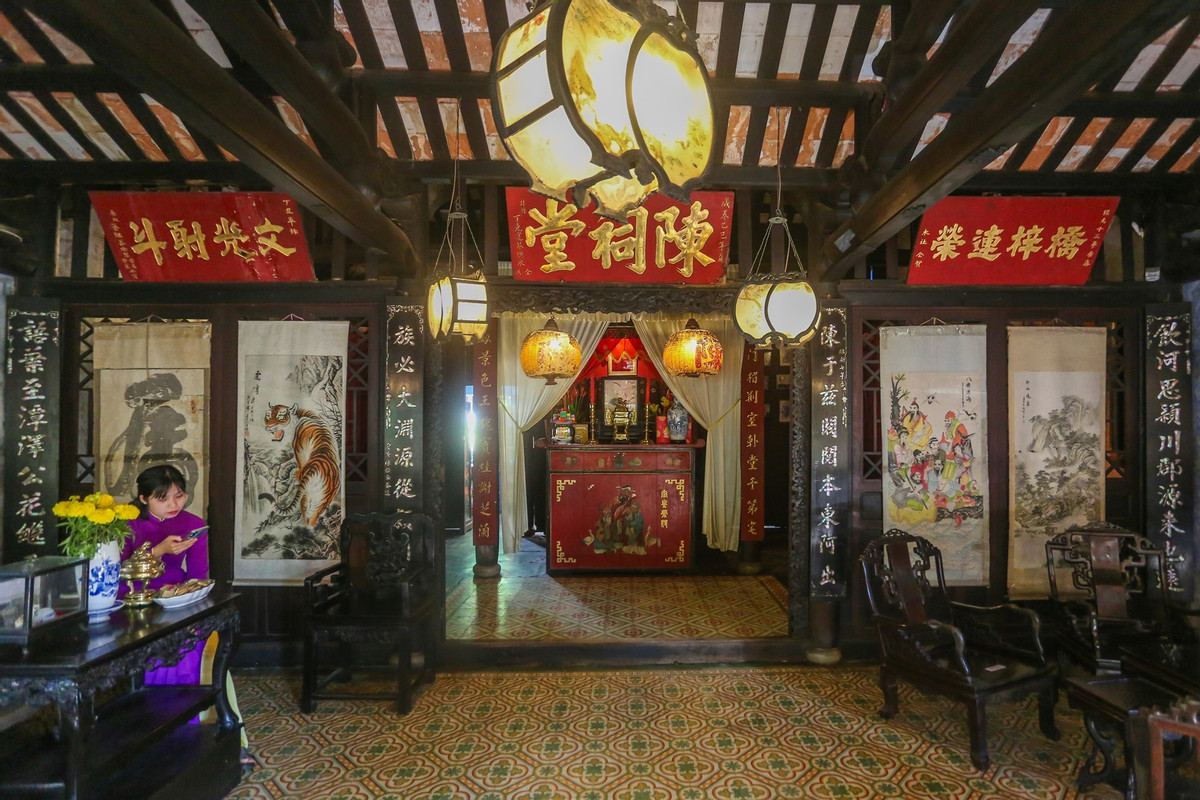
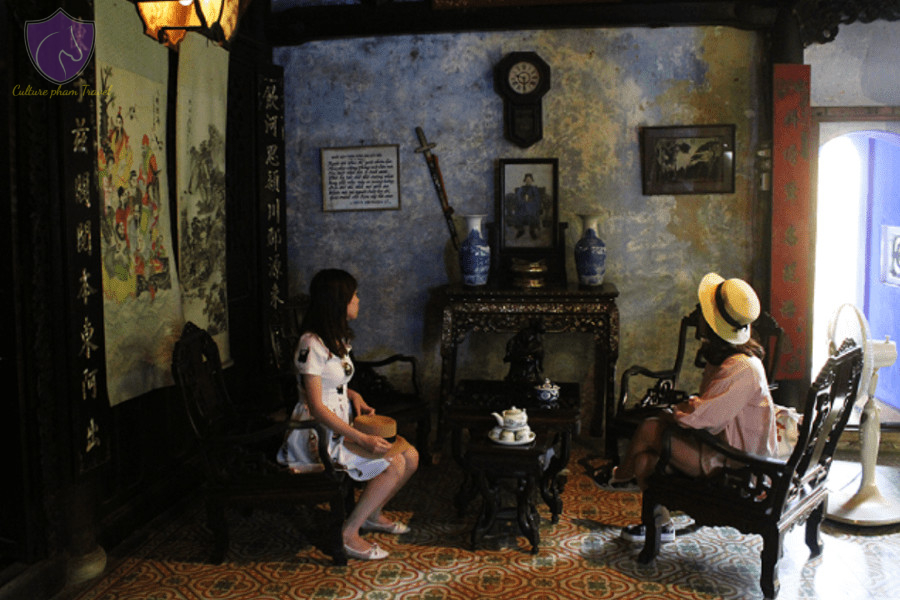
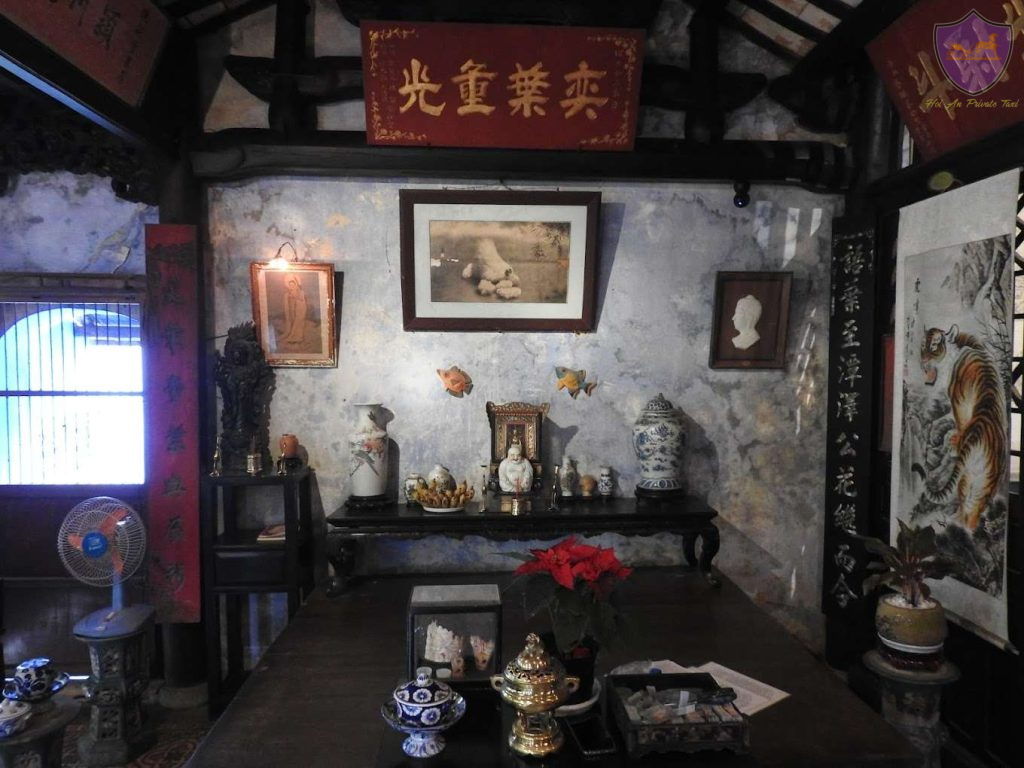
1.5. Tran Family Chapel
📍Address: 21 Le Loi Street, Hoi An
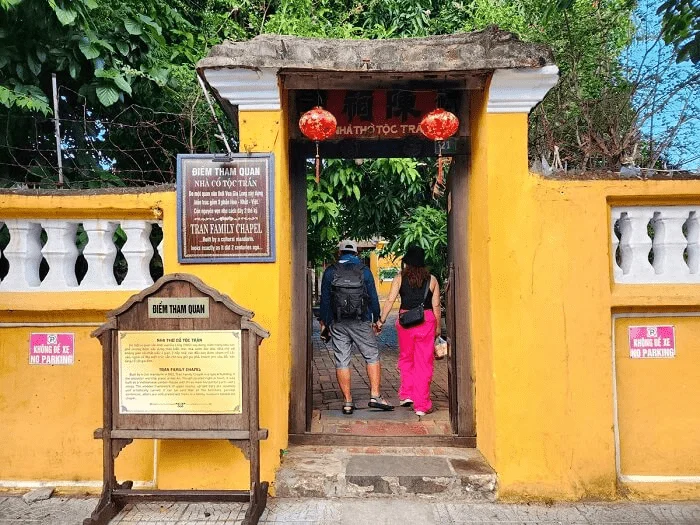
Set within a spacious 1,500-square-meter garden, the Tran Family Chapel is a remarkable example of architectural influences blending Vietnamese, Japanese, and Chinese traditions.
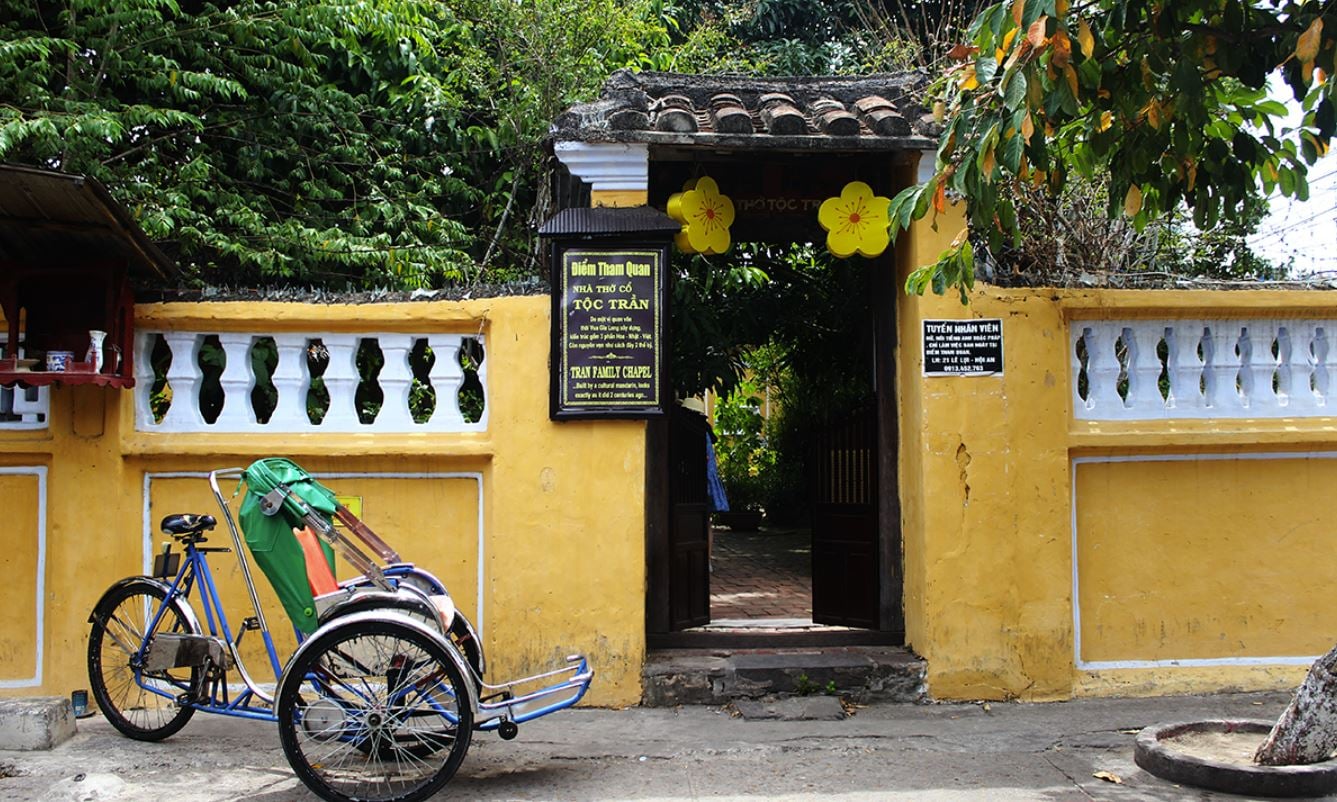
Built as a place for the Tran family to honor their ancestors, the chapel remains an important part of the family’s heritage. Relatives traditionally gather here each year to burn incense and pay their respects to previous generations.
Beyond its architectural value, the site offers visitors a quieter and more intimate look at the importance of family traditions and ancestor worship in Vietnamese culture.
Some actual photos from Tran Family Chapel Hoi An, Vietnam:
1.6. Japanese Covered Bridge – Hoi An’s Iconic Landmark
📍Address: At the beginning of Nguyen Thi Minh Khai Street, Hoi An
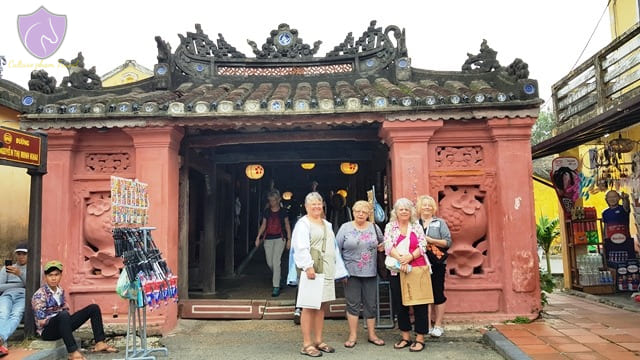
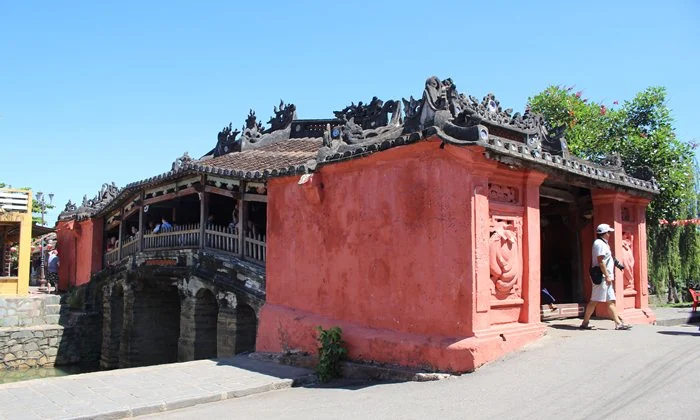
The Japanese Covered Bridge is widely regarded as the soul and one of the enduring symbols of Hoi An.
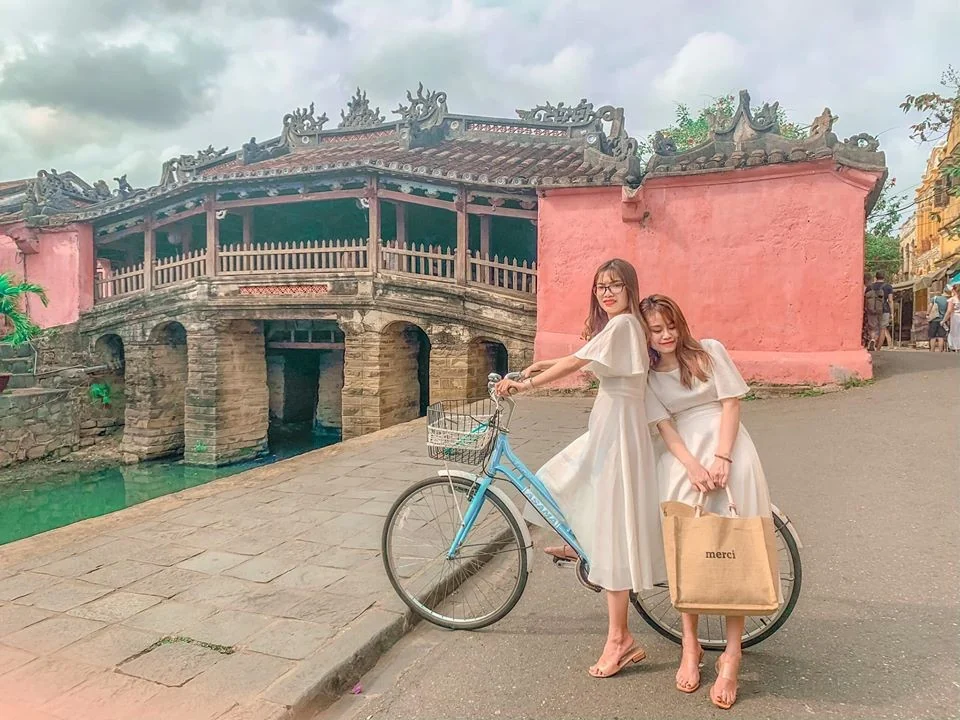
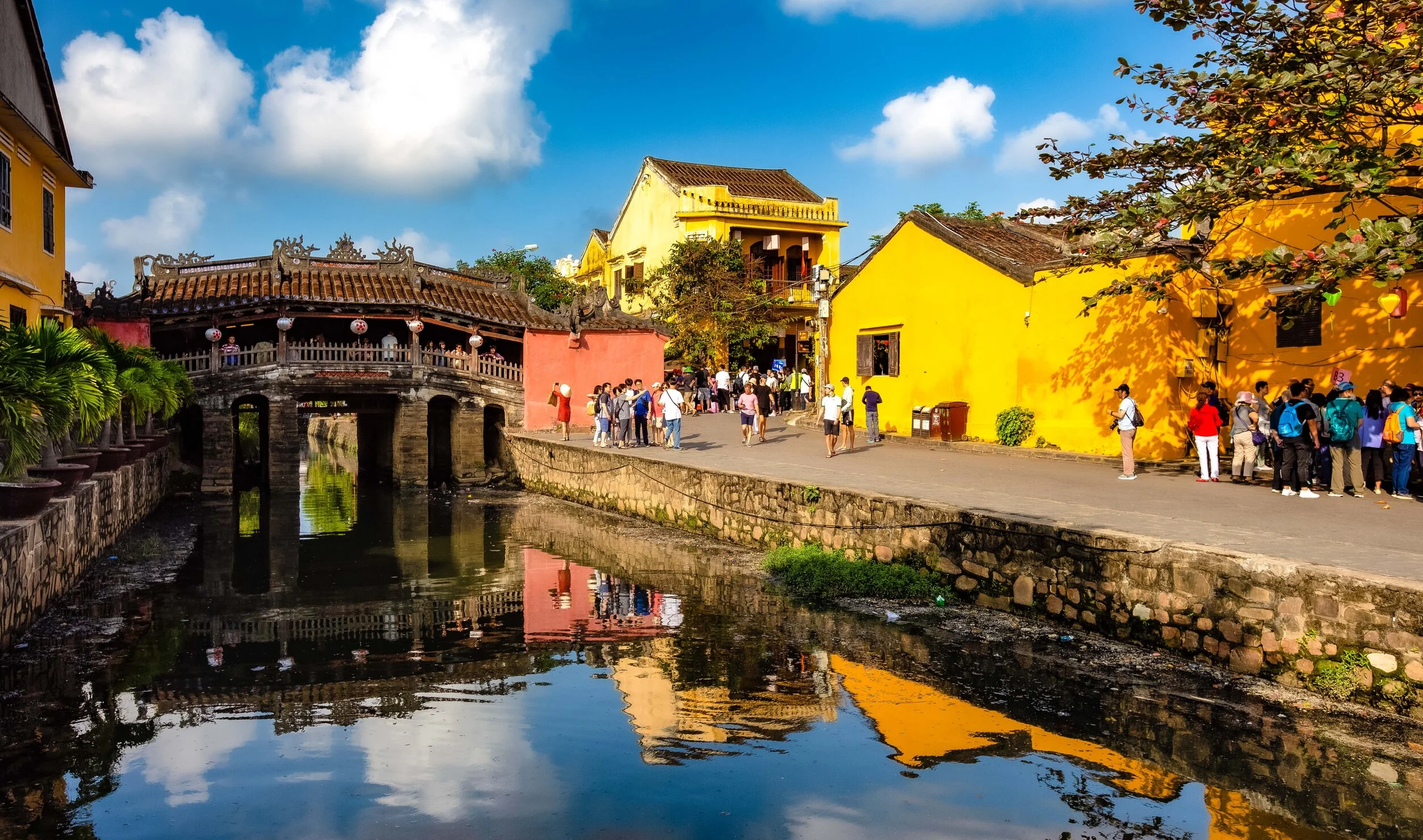
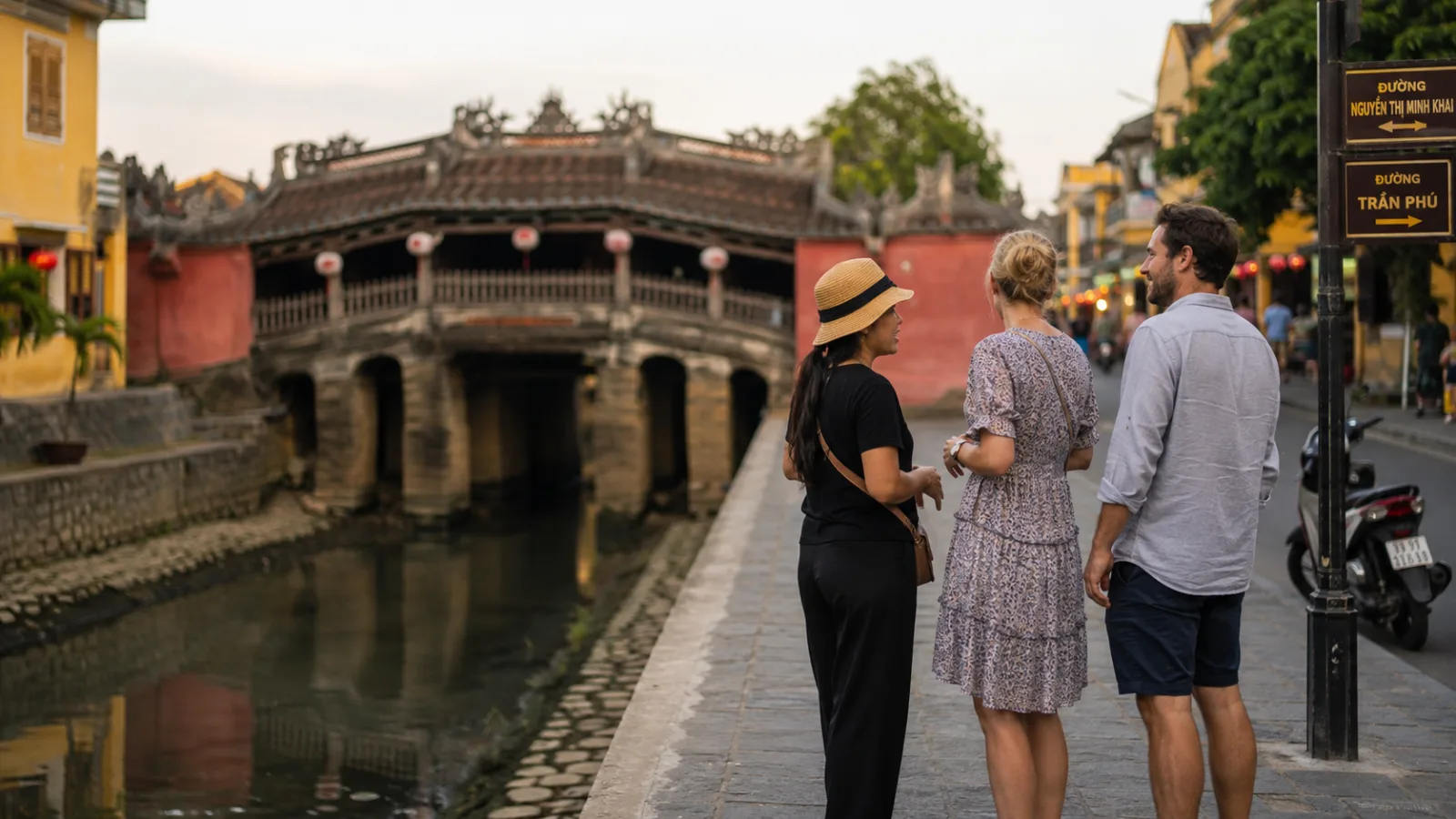
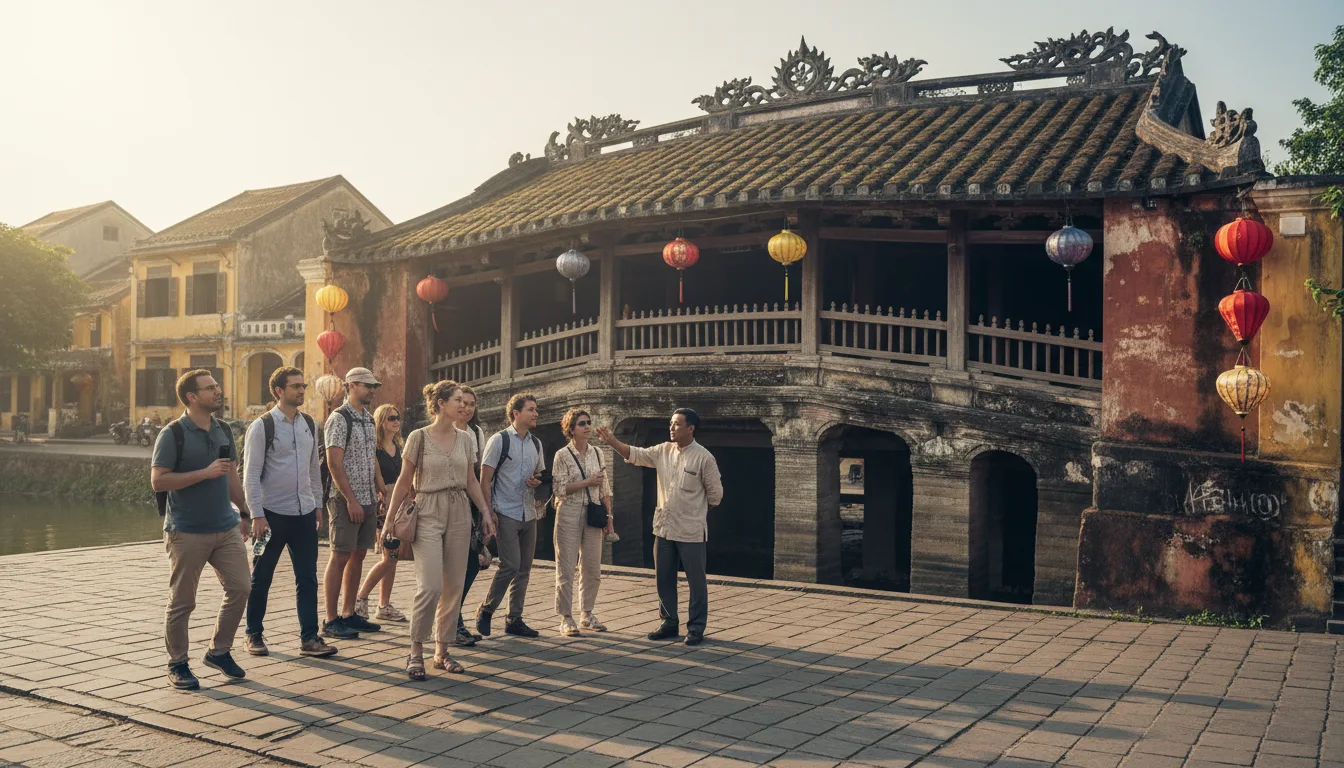
Spanning a small section of the romantic Hoai River, the bridge is famous for its distinctive architecture and unique cultural character. Built centuries ago, it represents the historical connections between the Japanese, Chinese, and Vietnamese communities that shaped Hoi An as an international trading port.
Its charming appearance has made it one of the most photographed landmarks in the Ancient Town and an essential stop for anyone visiting Hoi An for the first time.
Some actual photos from Japanese Covered Bridge Hoi An, Vietnam:
1.7. Phung Hung Ancient House
📍Address: 4 Nguyen Thi Minh Khai Street, Hoi An
With a history of more than 240 years, Phung Hung Ancient House is considered one of the finest examples of traditional architecture in Hoi An.
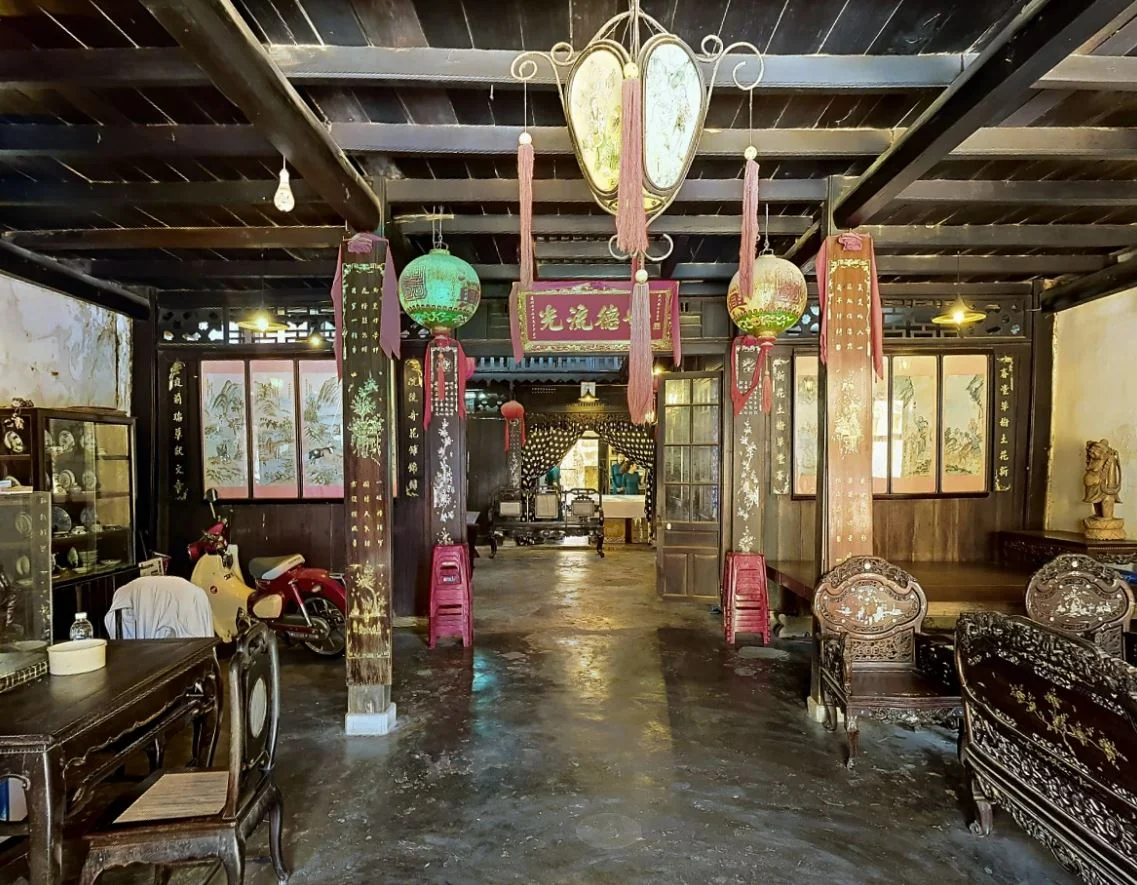
The wooden house showcases a fascinating blend of Vietnamese, Japanese, and Chinese architectural influences, reflecting the multicultural character of Hoi An during its period as a prosperous trading port.
Walking through the house, visitors can admire its wooden framework, traditional layout, and carefully preserved architectural details while gaining a better understanding of how merchant families once lived in Hoi An.
1.8. Tan Ky Ancient House
📍Address: 101 Nguyen Thai Hoc Street, Hoi An
Tan Ky Ancient House is one of the most famous historic homes in Hoi An Ancient Town. Built with a series of interconnected spaces, the house features numerous decorative details and symbolic carvings.
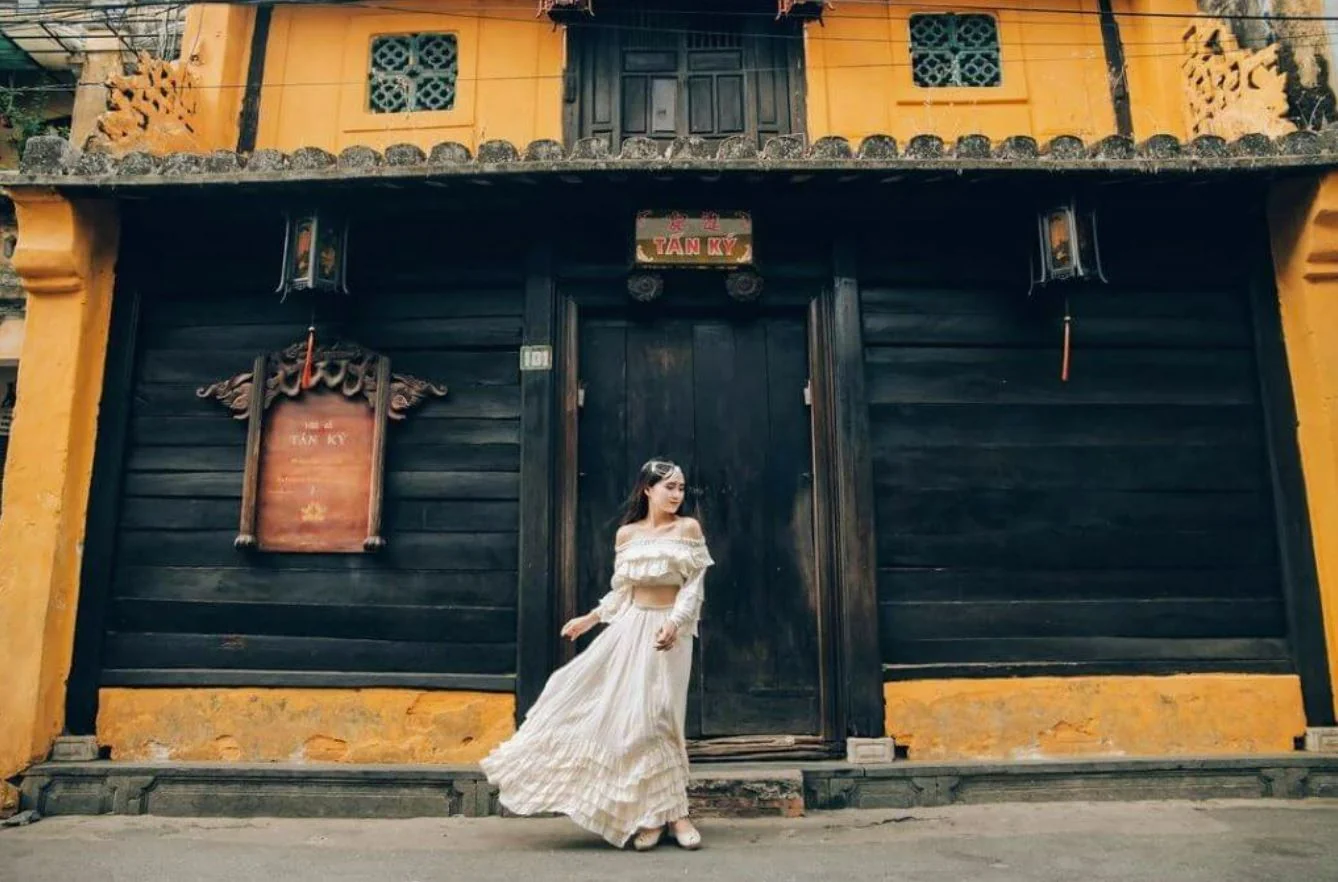
As you move from the entrance toward the interior, you can spot fascinating architectural elements, including the distinctive yin-yang-shaped leaf motifs around the doorway, rounded stone bases beneath the wooden columns brought from Thanh Hoa Province, and traditional timber structures resembling the five fingers of a hand.
Every detail has a story to tell, making Tan Ky Ancient House much more than a beautiful photo spot. It is a window into the architectural traditions and daily life of Hoi An’s prosperous merchant families.
1.9. Quan Thang Ancient House
📍Address: 77 Tran Phu Street, Hoi An
No visit to Hoi An would be complete without stepping inside one of its beautifully preserved ancient merchant houses, and Quan Thang Ancient House is an excellent example.
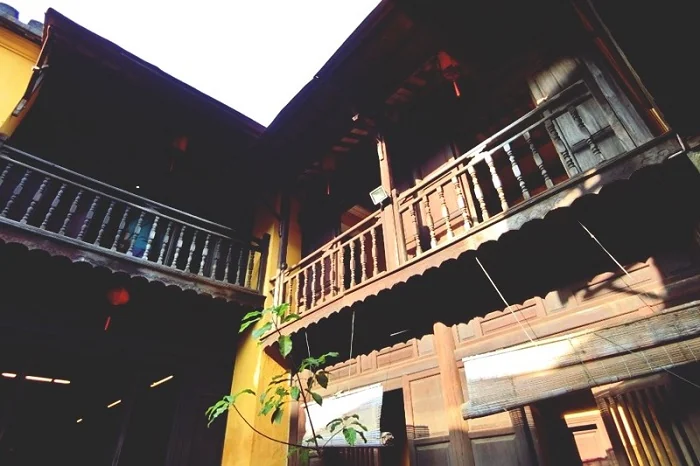
More than 150 years old, the house showcases architectural influences from southern China and retains many of the distinctive characteristics of historic Hoi An’s trading-port architecture.
Despite the passage of time, its original structure and traditional design have been remarkably well preserved, giving visitors a sense of what life was like in Hoi An centuries ago.
1.10. Duc An Ancient House
📍Address: 129 Tran Phu Street, Hoi An
Built more than 180 years ago, Duc An Ancient House is another fascinating historical landmark in Hoi An.
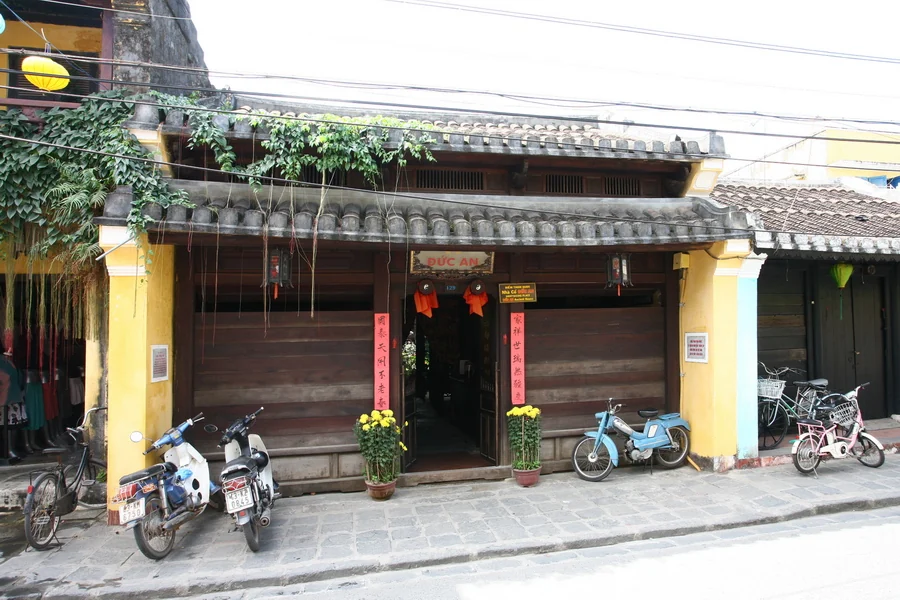
Unlike some of the city’s ancient houses that are primarily known for their architecture, Duc An also has an interesting intellectual and cultural history. The house was once associated with the circulation and preservation of important works related to democratic and progressive ideas from around the world.
Walking through its modest rooms and looking at the simple household objects preserved inside, visitors can experience a rare sense of how time seems to slow down in Hoi An.
It is a quiet and atmospheric place where history feels surprisingly close and personal.
1.11. Hoi An Market
📍Address: 19 Tran Phu Street, Hoi An East Ward
Whether you are visiting Hoi An or exploring another destination in Vietnam, a local market is often one of the best places to understand everyday life, culture, and food.
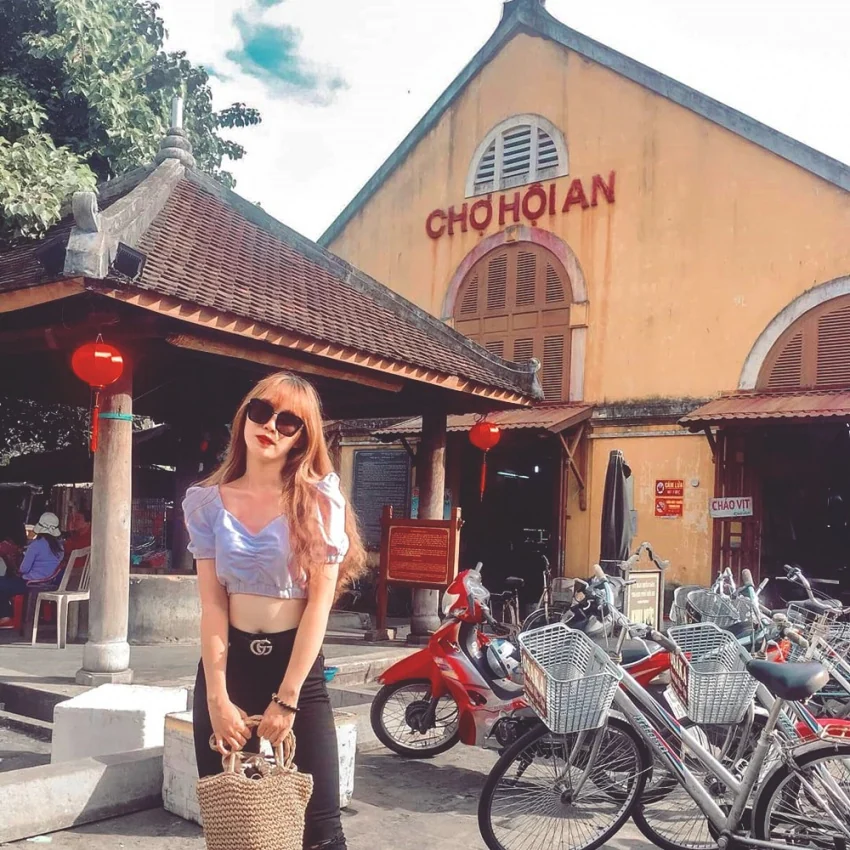
Hoi An Market is no exception. Beyond the fresh produce stalls, souvenir shops, and seafood vendors, make sure to explore the lively street-food area.
The aromas of freshly prepared dishes, colorful ingredients, lively conversations, and the unmistakable sound of local Quang-style accents create an atmosphere that feels authentically Hoi An.
For food lovers, the market is an especially rewarding place to sample local specialties and experience the city through its flavors. Don’t be surprised if you arrive just planning to take a quick look and end up staying for a full meal!
1.12. Hoi An Museum of History and Culture
📍Address: 10B Tran Hung Dao Street
If you want to understand how Hoi An evolved from an ancient settlement into one of Vietnam’s most important trading ports, the Hoi An Museum of History and Culture is a fascinating place to visit.
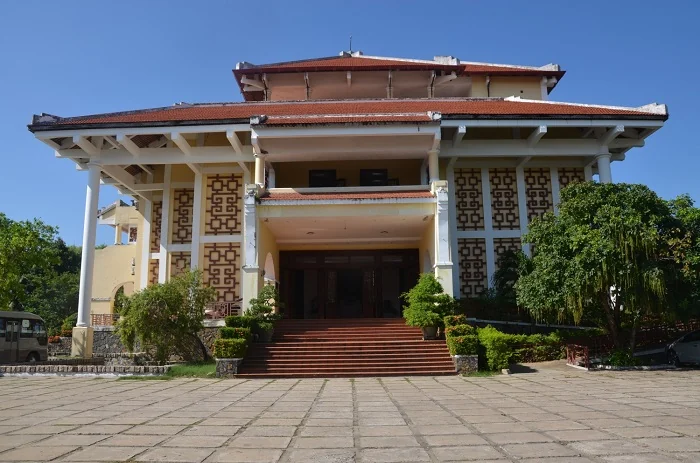
The museum houses more than 200 artifacts made from ceramics, porcelain, iron, bronze, wood, and paper, representing different periods in the development of Hoi An’s historic trading port.
The collections offer visitors a glimpse into the region’s long and fascinating history, dating back as far as the 2nd century AD, and provide valuable context for understanding the cultural heritage you see throughout the Ancient Town.
1.13. Sa Huynh Culture Museum
📍Address: 149 Tran Phu Street
Wondering what makes Hoi An so culturally fascinating? The Sa Huynh Culture Museum offers an opportunity to travel even further back in time.
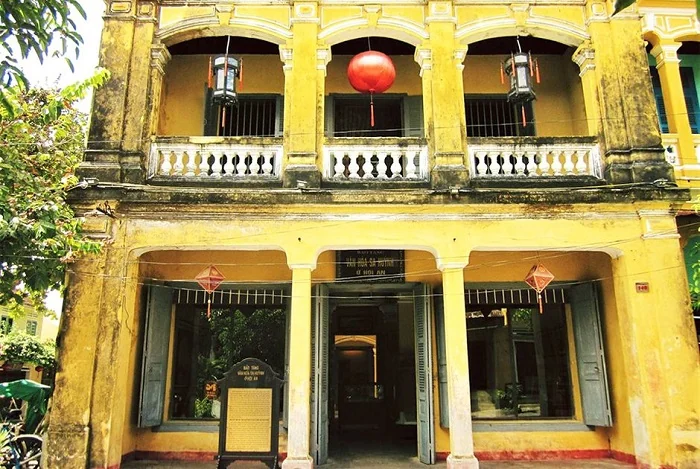
The museum preserves and displays a remarkable collection of archaeological artifacts associated with the ancient Sa Huynh culture, one of the important prehistoric cultures of central Vietnam.
The exhibits provide valuable insights into the lives, traditions, and material culture of the people who lived in this region long before Hoi An became a prosperous international trading port.
For history enthusiasts, this museum offers a fascinating glimpse into one of the earliest chapters of central Vietnam’s cultural story.
1.14. Hoi An Museum of Folk Culture
📍Address: 33 Nguyen Thai Hoc Street
Opened to visitors on March 24, 2005, the Hoi An Museum of Folk Culture occupies a beautiful two-story historic building with entrances connecting Nguyen Thai Hoc and Bach Dang streets.
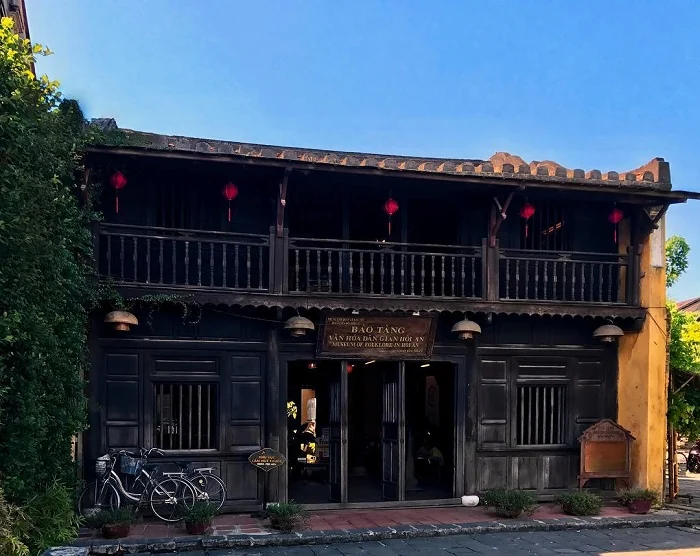
The museum houses around 490 artifacts representing different aspects of traditional Vietnamese and Hoi An culture.
Its collections explore four major themes: folk visual arts, traditional performing arts, traditional crafts, and everyday folk life.
A visit here provides a deeper understanding of the customs, artistic traditions, and daily activities that have shaped Hoi An’s distinctive cultural identity over generations.
1.15. Hoi An Museum of Trade Ceramics
📍Address: 80 Tran Phu Street
Built in 1995, the Hoi An Museum of Trade Ceramics houses more than 361 ceramic artifacts dating from the 8th to the 18th centuries.
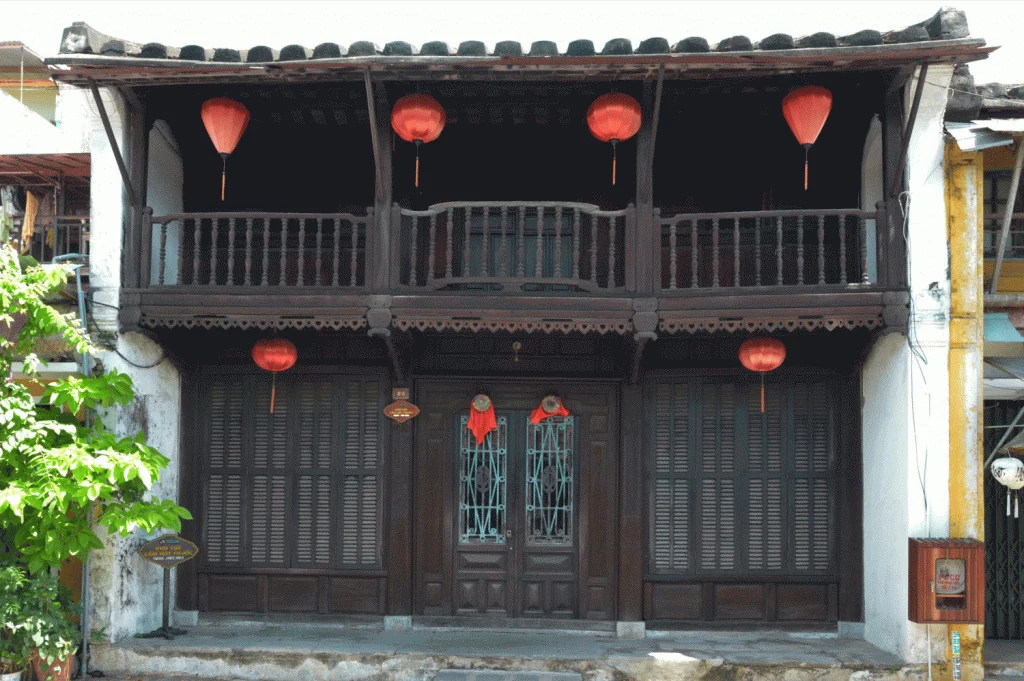
The collection offers fascinating evidence of Hoi An’s role in the ancient maritime trading network. Many of the objects reflect the extensive commercial and cultural exchanges that connected Vietnam with other parts of Asia and the wider world.
For travelers interested in maritime history, archaeology, or the story behind Hoi An’s rise as an international trading port, this museum is well worth a visit.
1.16. An Bang Beach
📍Address: Hai Ba Trung Street
Located approximately 3 km east of Hoi An Ancient Town, An Bang Beach is one of the city’s most popular coastal escapes.
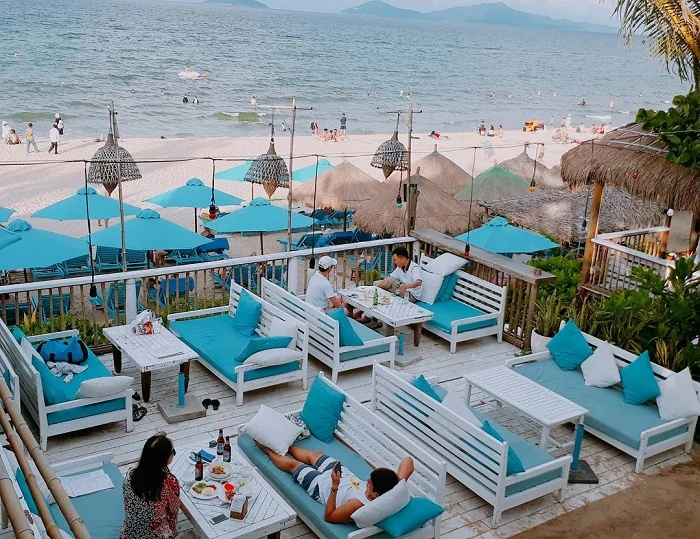
The beach has gained international attention and has been included on lists of the world’s most beautiful beaches. Stretching for around 4 km, it combines soft sandy shores, fresh sea air, and lush coastal vegetation.
An Bang is particularly appealing to travelers looking for a more relaxed and romantic atmosphere away from the busy streets of the Ancient Town.
Spend a few hours here swimming, enjoying a drink by the sea, or simply watching the waves roll gently onto the shore.
1.17. My Son Sanctuary
📍Location: My Son Village, Thu Bon Commune
One of the most remarkable heritage sites near Hoi An, My Son Sanctuary is an ancient complex of Cham temples hidden within a lush valley approximately 2 km in diameter.
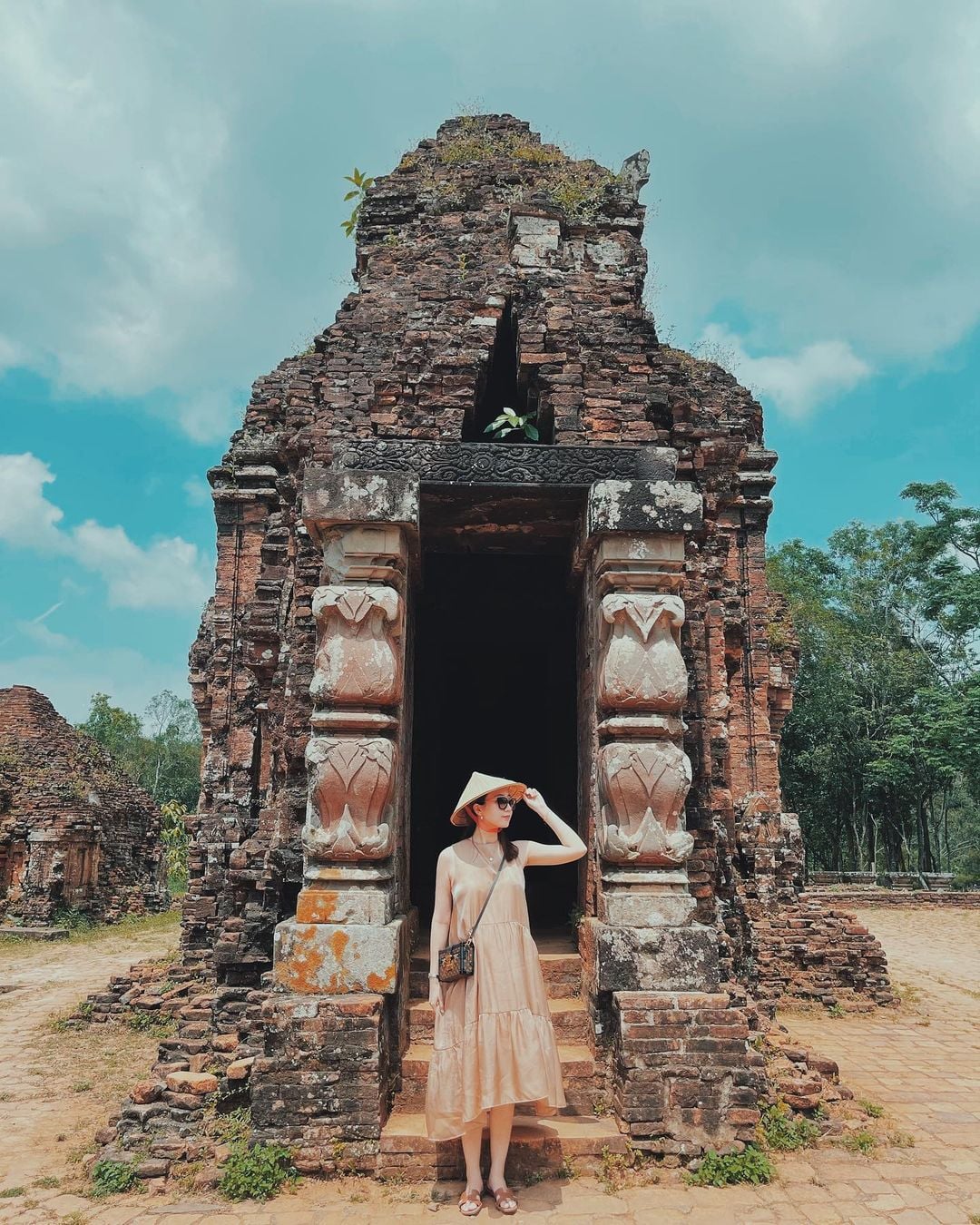
The temples feature distinctive Cham architecture and were once an important religious and ceremonial center of the ancient Champa Kingdom.
Walking among the weathered brick towers and temple ruins offers a fascinating journey into the history of central Vietnam and the remarkable civilization that once flourished here.
For travelers interested in archaeology, history, and Southeast Asian heritage, My Son is an unforgettable day trip from Hoi An.
1.18. Cham Islands
📍Address: Bai Ong Village, Tan Hiep Commune
With their rugged landscapes, clear waters, and relatively untouched natural beauty, the Cham Islands are a favorite destination for travelers seeking adventure and a break from the historic streets of Hoi An.

The islands offer a variety of activities, including snorkeling, scuba diving, coral reef exploration, high-speed boat rides, and kayaking.
The combination of turquoise waters, tropical scenery, and laid-back island life makes the Cham Islands an excellent choice for travelers who want to add some outdoor adventure to their Hoi An itinerary.
1.19. Thanh Ha Pottery Village
📍Address: Pham Phan Street, Hoi An West Ward
With a history spanning more than 500 years, Thanh Ha Pottery Village has survived countless changes throughout the history of Hoi An.
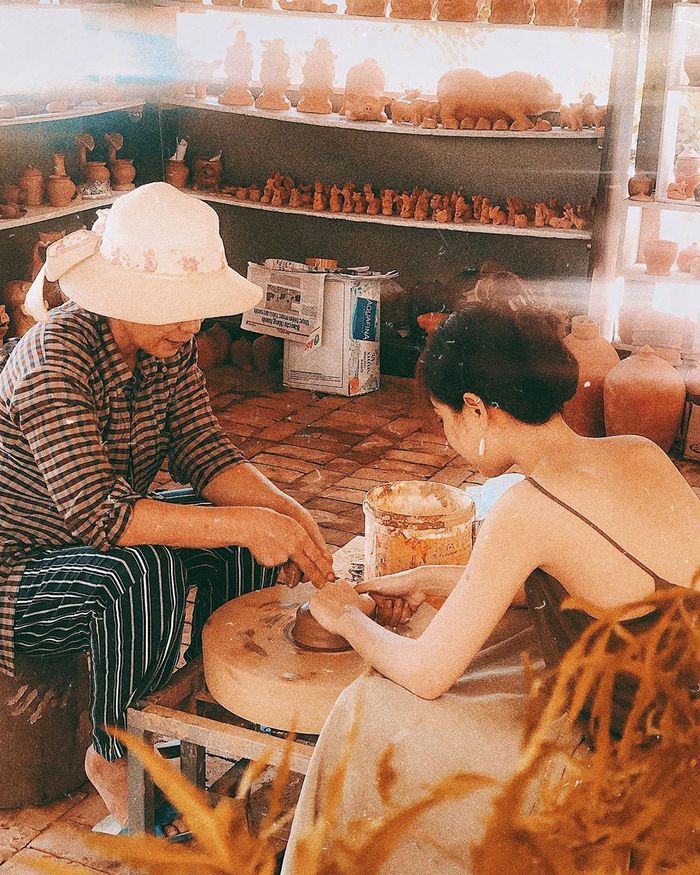
Today, it is one of the city’s most interesting traditional craft destinations, where visitors can see local artisans shaping clay into beautiful handmade objects using techniques passed down through generations.
The village offers a more hands-on and authentic experience than simply visiting a museum. Depending on the activities available, visitors can watch pottery being made or even try creating their own piece.
1.20. Kim Bong Carpentry Village – A Glimpse of Traditional Craftsmanship
📍Address: Trung Ha, Hoi An
For a closer look at traditional Vietnamese craftsmanship, visit Kim Bong Carpentry Village, a historic craft village known for its skilled woodworkers.
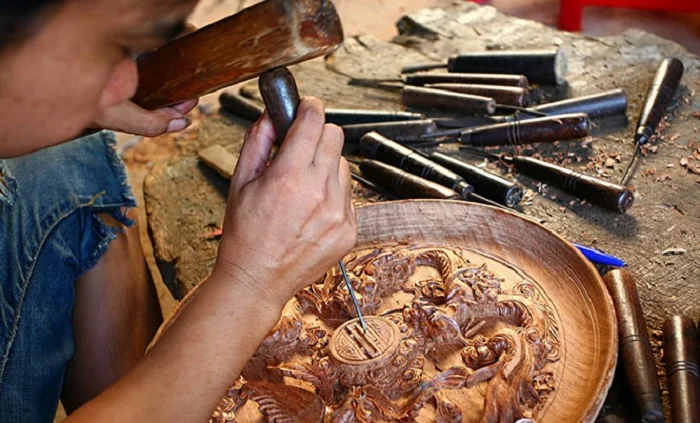
Here, visitors can watch artisans transform pieces of wood into intricate products using techniques developed and refined over generations. Their work combines practical craftsmanship with artistic and cultural value.
A walk through the village and its traditional workshops offers a fascinating insight into the history of woodworking in Hoi An and the important role traditional crafts continue to play in the local community.
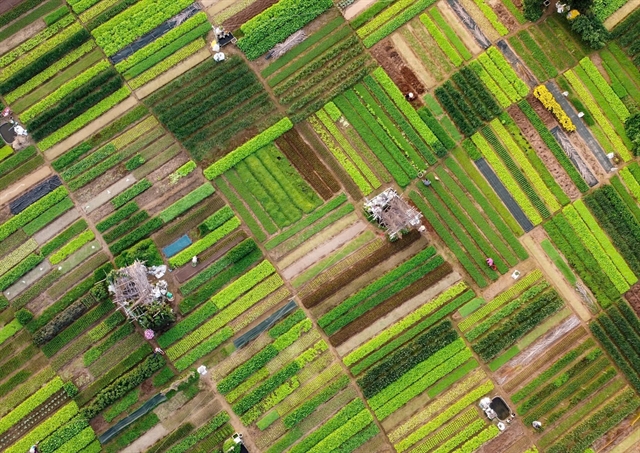
1.21. Tra Que Vegetable Village
📍Address: Tra Que Village, Hoi An West Ward
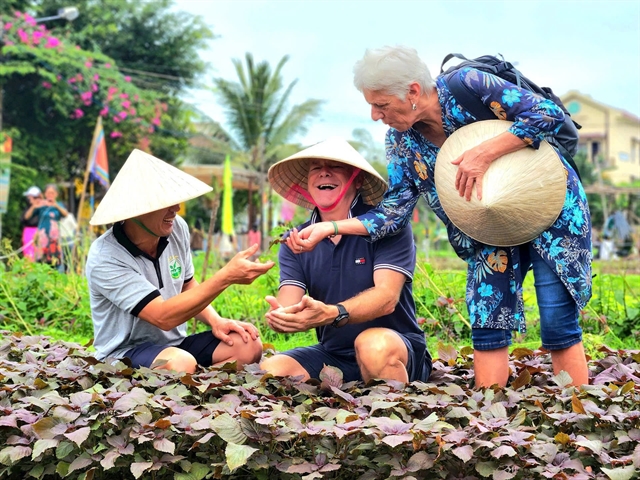
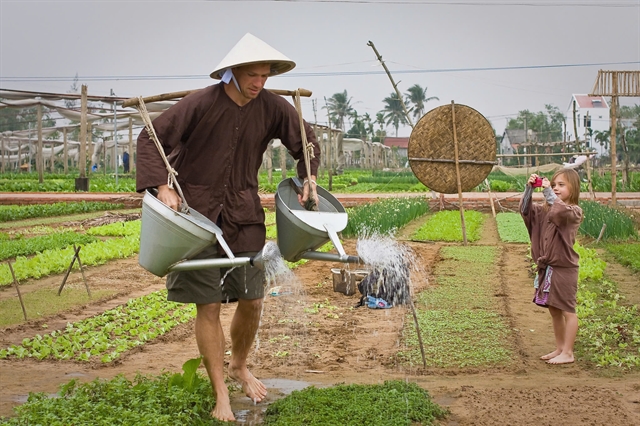
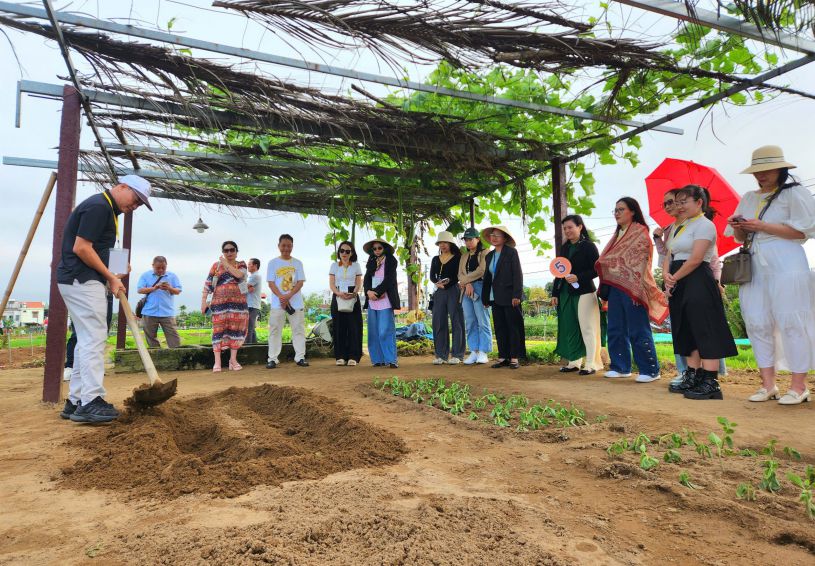
Tra Que Vegetable Village is famous for its lush green fields and fresh herbs and vegetables, but the real attraction is the opportunity to experience traditional farming firsthand.

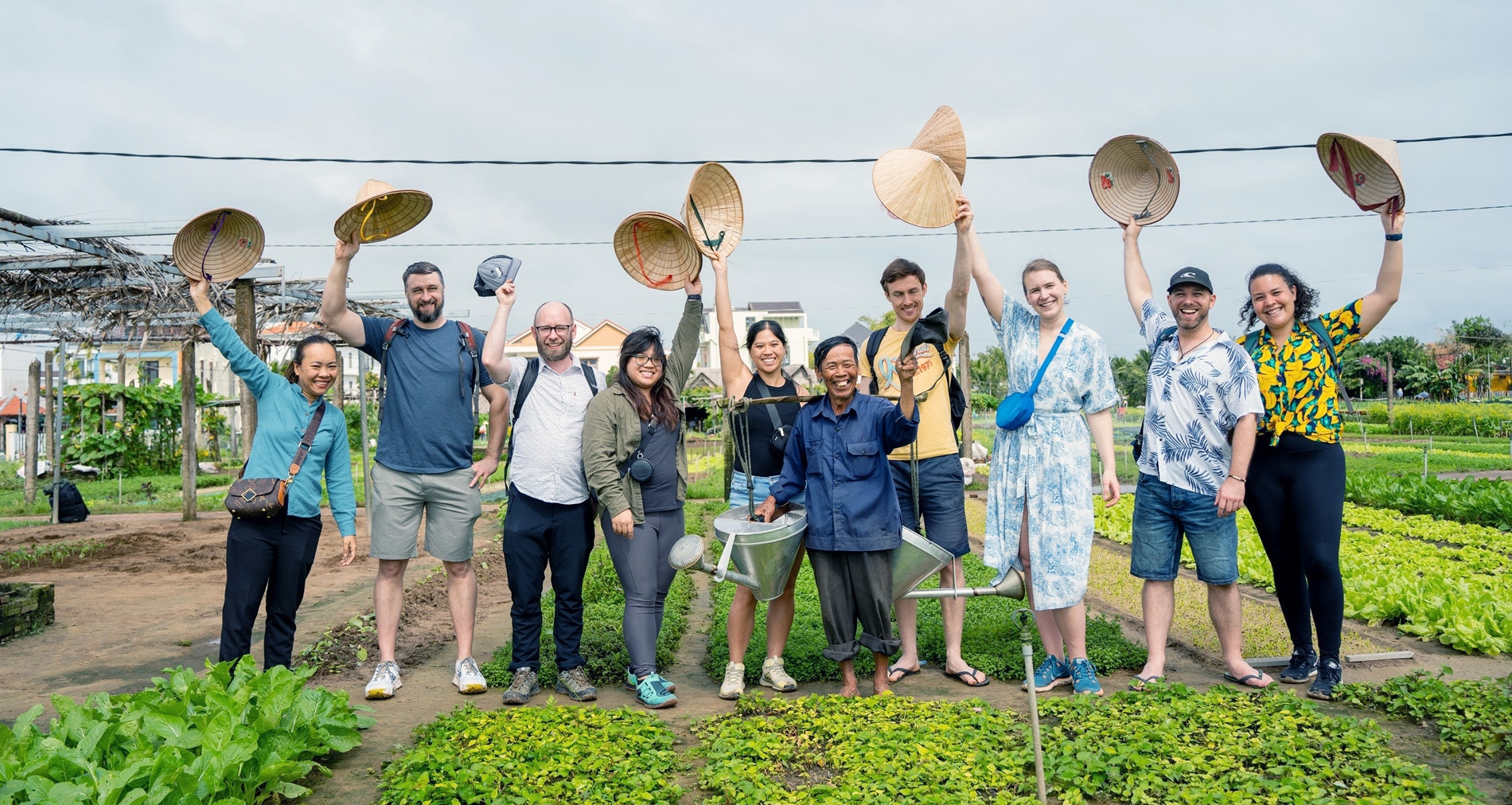
Visitors can take part in activities that allow them to spend a day as a local farmer, learning how vegetables are planted, watered, cultivated, and harvested.
Surrounded by peaceful countryside, fragrant herbs, and vibrant green fields, Tra Que offers a refreshing change of pace from the busy Ancient Town.
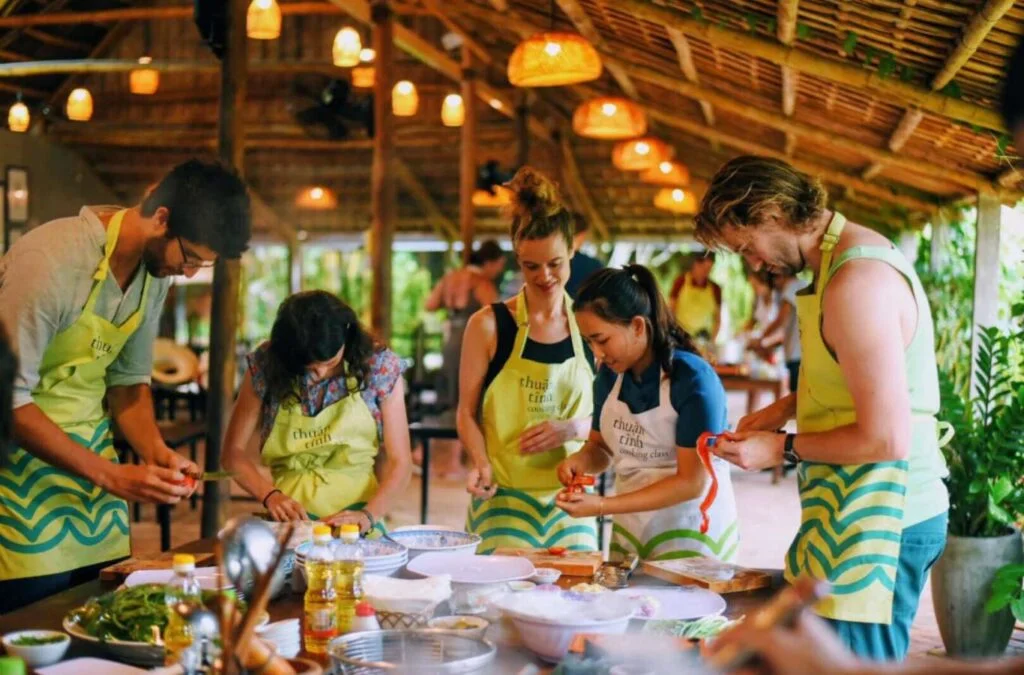
Don’t miss the chance to sample simple, fresh local dishes prepared with vegetables grown right here in the village.
Some actual photos from Tra Que Vegetable Village:


1.22. Bay Mau Coconut Forest
📍Address: Cam Thanh Commune, Hoi An East Ward
Located approximately 3 km southeast of Hoi An Ancient Town, the Bay Mau Coconut Forest is one of the area’s most distinctive natural attractions.
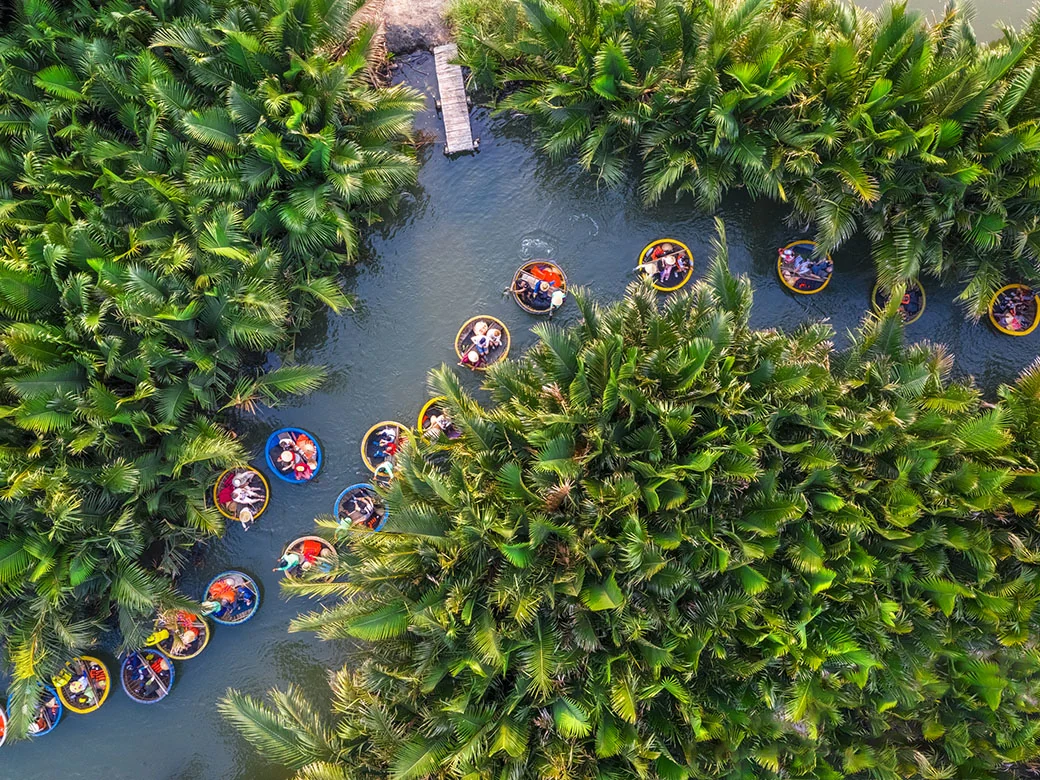
Often described as “the Mekong Delta in the heart of Hoi An,” this lush water coconut forest offers a completely different side of the city.
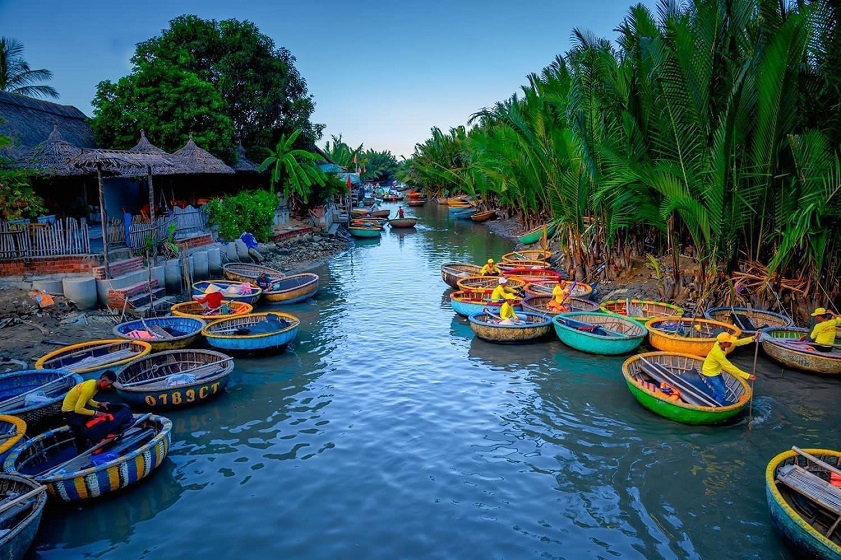
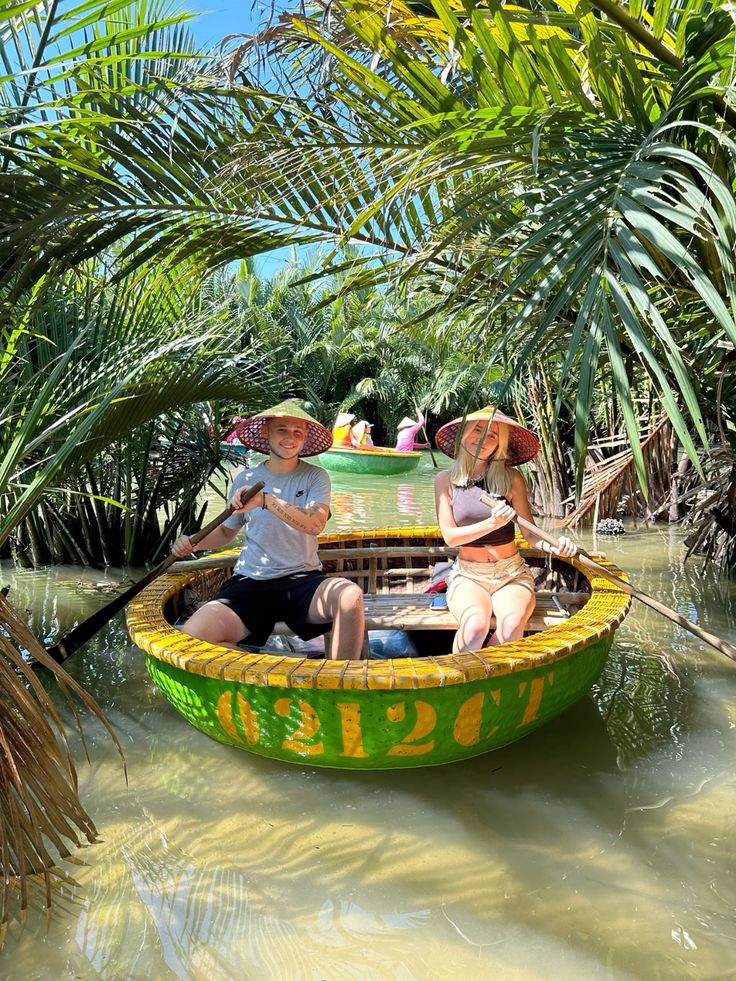
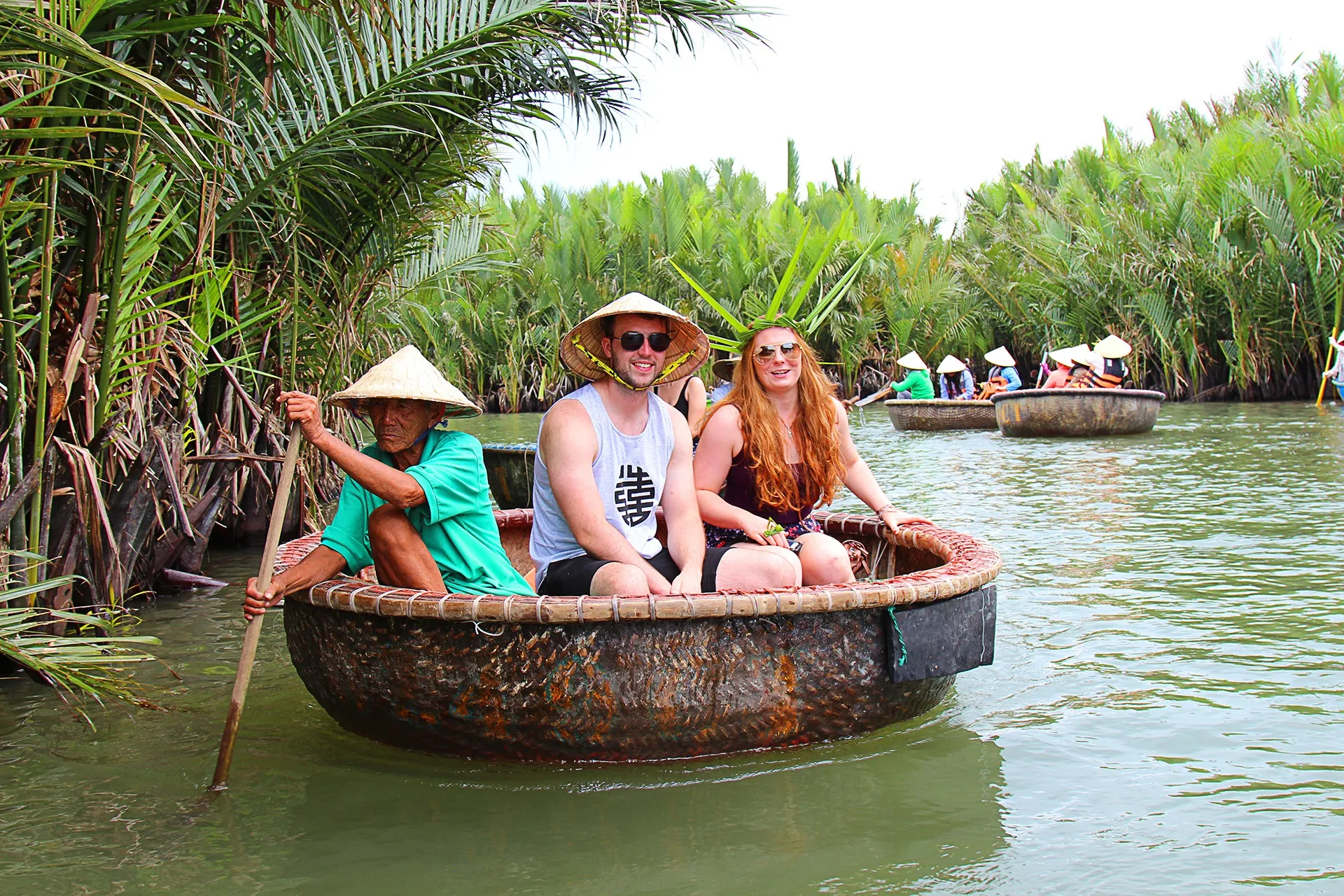
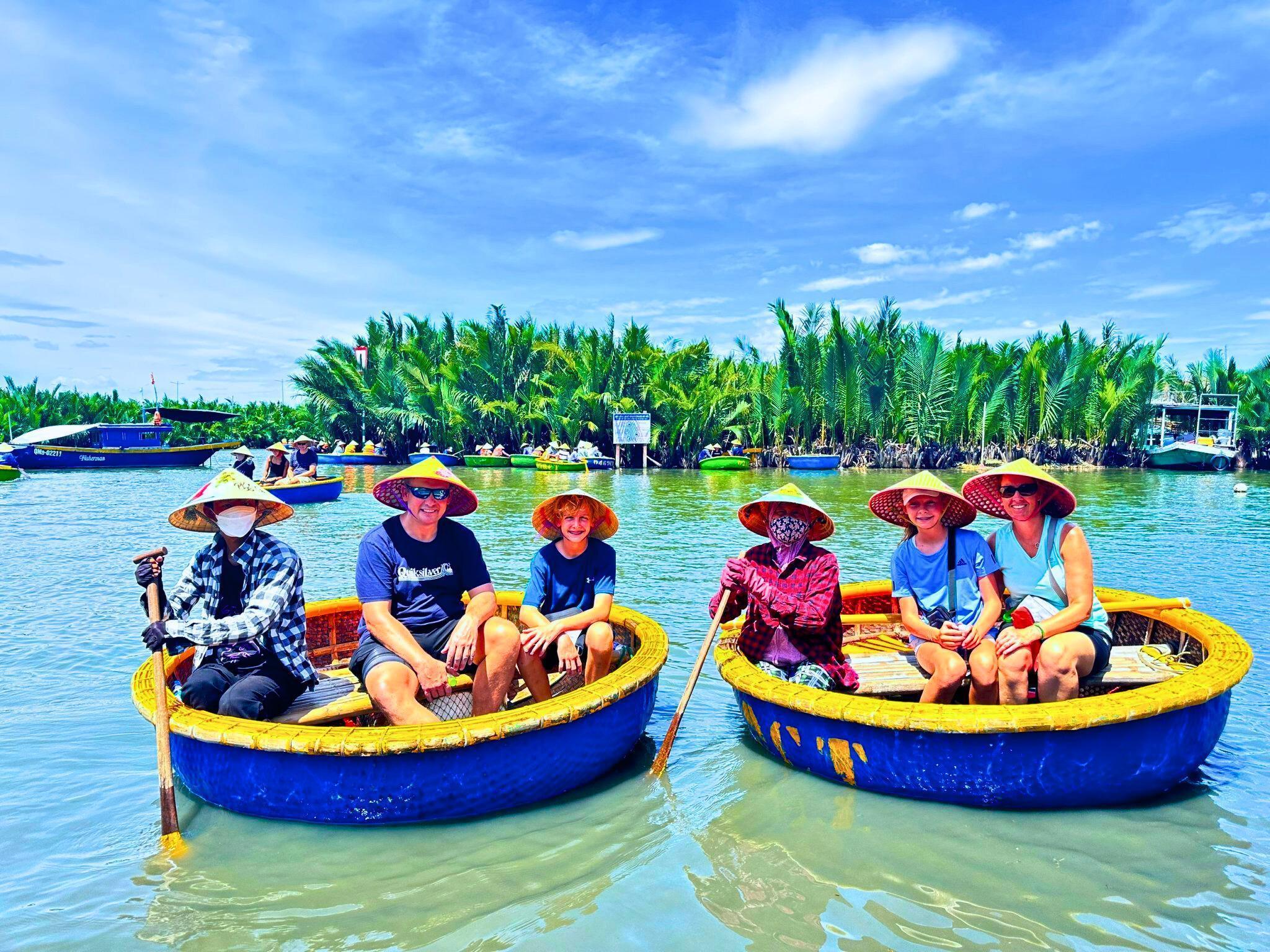
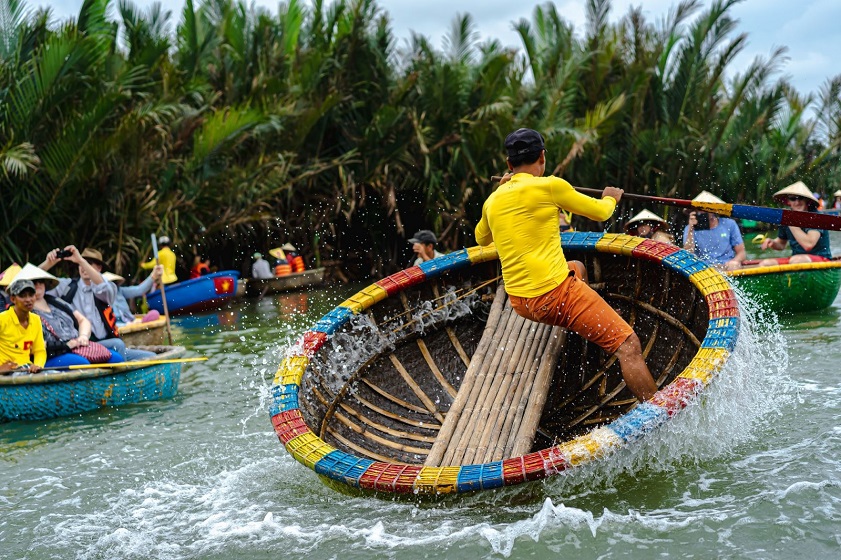
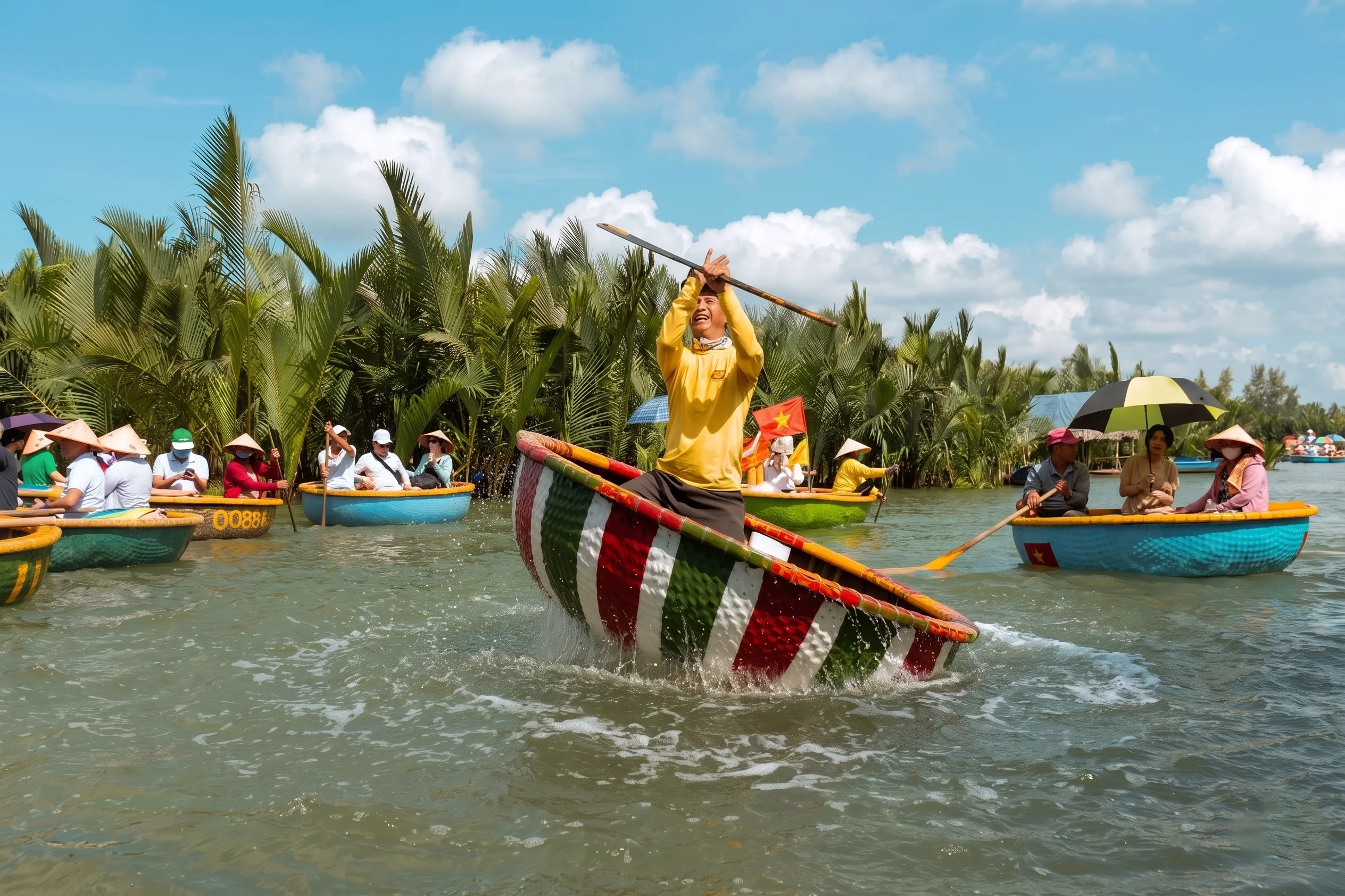
Visitors can explore the waterways by traditional basket boat, glide beneath the coconut palms, and experience the peaceful riverside landscape.
The combination of waterways, coconut groves, traditional boats, and local life makes Bay Mau an especially popular experience for first-time visitors to Hoi An.
Some actual photos from Bay Mau Coconut Forest:


1.23. Hoi An Handicraft Workshop
📍Address: 9 Nguyen Thai Hoc Street
The Hoi An Handicraft Workshop is a fascinating place to discover the craftsmanship and artistic traditions of the region.
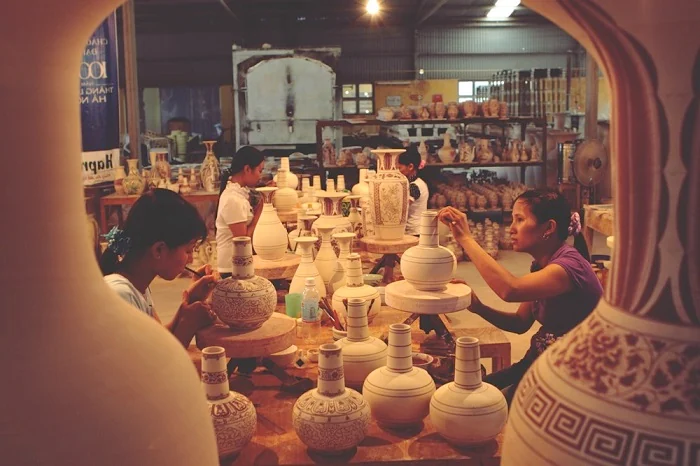
The workshop currently showcases 12 traditional crafts, creating a wide variety of handmade products that reflect the colors, stories, cultural values, and creativity of Hoi An.
Visitors can observe artisans at work and learn more about traditional techniques that have been preserved and passed down through generations.
It is an excellent stop for travelers looking for authentic cultural experiences and unique handmade souvenirs.
1.24. Hoi An Ancient Town
📍Location: Hoi An Ward
No trip to Hoi An would be complete without exploring Hoi An Ancient Town, the historic heart of the city.
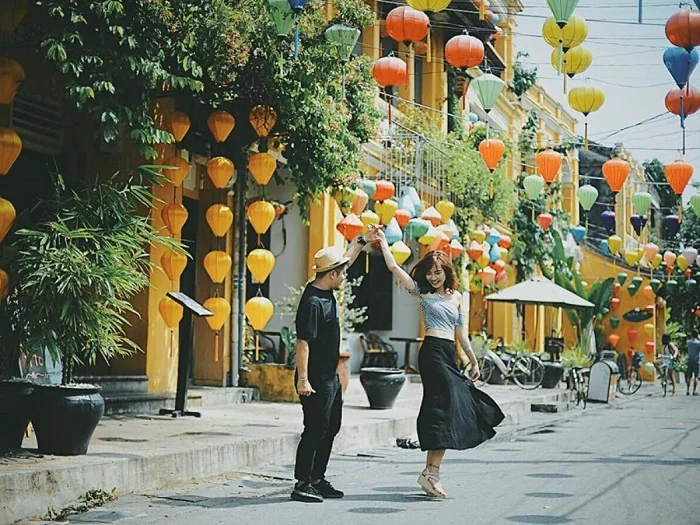
The UNESCO-listed old town is characterized by its narrow streets and charming lanes arranged in a distinctive grid-like pattern. Many of its buildings have been beautifully preserved, reflecting more than 400 years of history as a thriving trading port.
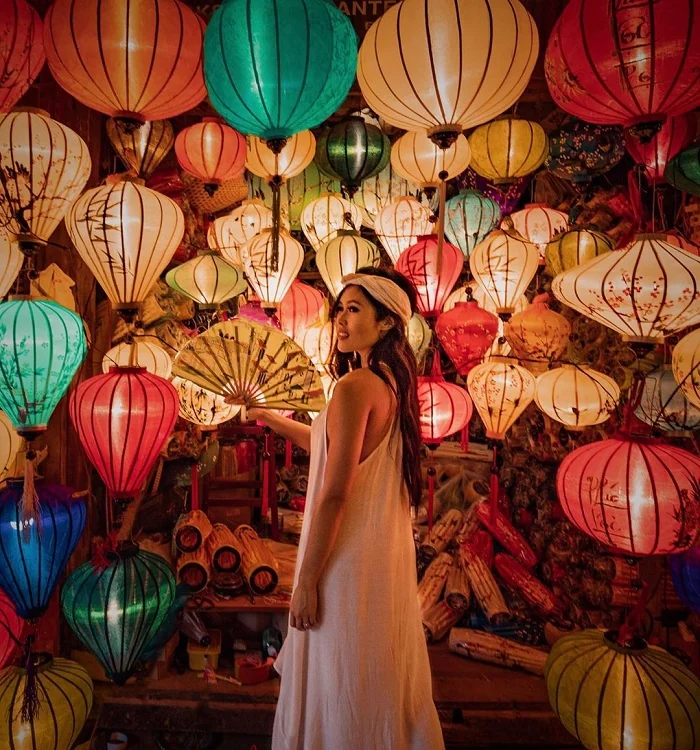
Traditional wooden houses, colorful lanterns, historic assembly halls, old merchant residences, riverside streets, small shops, and atmospheric cafes create an experience that feels like stepping into another era.
The best way to experience the Ancient Town is simply to slow down and wander. Explore the streets on foot, stop for local food, browse the small shops, and return after sunset when hundreds of colorful lanterns transform the town into one of Vietnam’s most magical evening scenes.
1.25. TRE Coffee, Lounge & Dining – An Elegant Contrast of Old and New
Address: Casamia Hoi An, near Vo Chi Cong Road
For a more contemporary experience, TRE Coffee, Lounge & Dining offers an intriguing contrast to Hoi An’s historic architecture.
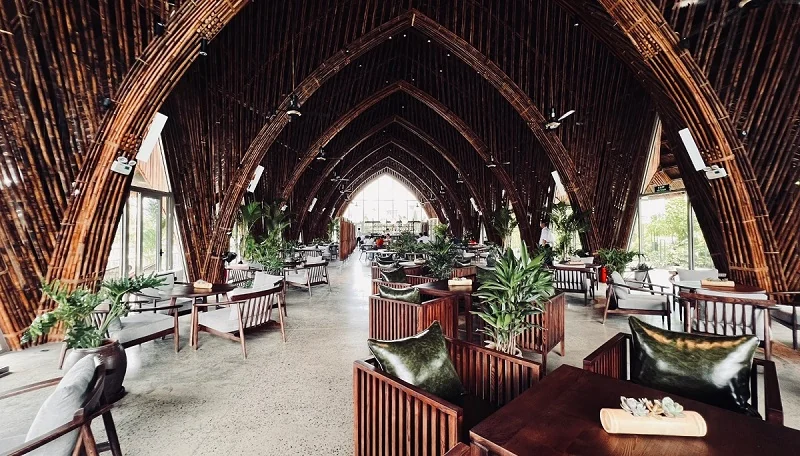
During the day, TRE has the relaxed atmosphere of a peaceful café, making it a pleasant place to enjoy coffee and unwind. After dark, the venue transforms into a stylish and vibrant lounge with a more sophisticated nightlife atmosphere.
The open-plan space combines contemporary architecture with natural materials and subtle Vietnamese design influences, creating a setting that feels modern while retaining a distinctly local character.
The menu features a diverse selection of Asian and Western dishes, along with food designed to pair with wine and other drinks.
Even the presentation receives careful attention. From distinctive bamboo-inspired cups to creative cocktails and other beverages prepared by skilled bartenders, TRE offers a dining and drinking experience with its own unique personality.
For travelers looking to experience a more modern and stylish side of Hoi An beyond the Ancient Town, TRE is an interesting place to add to an evening itinerary.
2. Essential Hoi An Travel Tips for a Perfect Trip
To make the most of your trip to Hoi An, it is a good idea to read a few travel reviews and practical travel guides before you go. A little preparation can help you plan your itinerary, manage your budget, and enjoy a smoother and more memorable experience.
2.1. How Many Days Do You Need in Hoi An?
The ideal length of your Hoi An trip depends on your interests, itinerary, and budget.
If you simply want to explore Hoi An Ancient Town and experience the city’s highlights, 2 days and 1 night is generally enough. This gives you time to wander through the historic streets, visit cultural attractions, enjoy local cuisine, and soak up the town’s atmospheric evenings.
However, if you also want to explore nearby destinations such as Da Nang and Hue, it is better to set aside around 3–4 days. With a little extra time, you can travel at a more relaxed pace and enjoy both Hoi An and the surrounding region without feeling rushed.
2.2. Where to Stay in Hoi An?
Visitors to Hoi An have plenty of accommodation options, ranging from budget hotels and cozy homestays to luxury resorts.

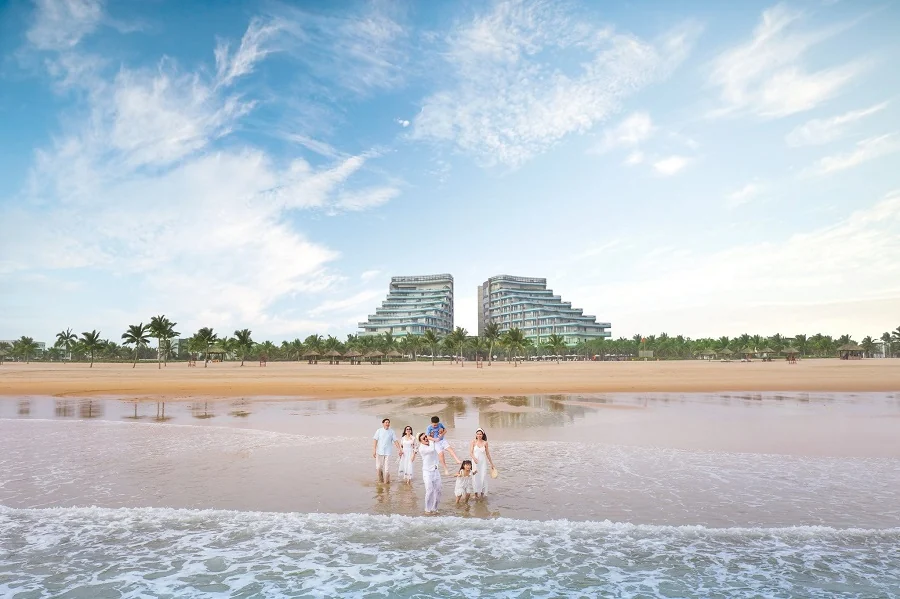
For travelers looking for a more complete experience with professional service, five-star facilities, elegant rooms, and beautiful views, a luxury resort in the Nam Hoi An area can be an excellent choice.
For a relaxing and comfortable stay, consider the Vinpearl resort system in Nam Hoi An, which offers a combination of upscale accommodation, modern amenities, leisure facilities, and convenient access to nearby attractions.
2.3. How Much Does an Independent Trip to Hoi An Cost?
The cost of an independent trip to Hoi An depends on your travel style and how much you want to explore. Here are some of the main expenses to consider:
Transportation to Hoi An:
- Flight tickets: approximately VND 380,000–3,000,000 per person
- Train tickets: approximately VND 400,000–1,200,000 per person
- Bus tickets: approximately VND 400,000–500,000 per person, one way
Transportation around Hoi An:
You can get around by taxi, bus, motorbike taxi, cyclo, or bicycle. For the greatest flexibility, renting a motorbike is a popular option, typically costing around VND 100,000–150,000 per day. Bicycle rentals are even more affordable, at around VND 30,000 per day.Accommodation:
Room rates vary widely depending on your preferred level of comfort. Budget accommodation can start at around VND 300,000 per room per night, while upscale hotels and resorts can cost VND 1,000,000 or more per night.Food and drinks:
Hoi An is a paradise for food lovers, with everything from inexpensive street food to fine dining. A budget of around VND 200,000 per person per day can be enough for travelers who mainly enjoy local dishes and casual meals.Entrance fees and sightseeing:
Tickets for attractions in and around Hoi An Ancient Town generally range from around VND 10,000–80,000 per person, while beaches, entertainment venues, and larger tourist attractions may charge approximately VND 100,000–500,000 per person.
The good news is that Hoi An also offers plenty of places and experiences that are completely free, from strolling through the ancient streets to enjoying the riverside atmosphere.

Overall, a 3-day, 2-night independent trip to Hoi An may cost around VND 3.5–4 million per person, depending on your transportation, accommodation, dining choices, and activities.
2.4. How to Save Money on an Independent Hoi An Trip
Traveling independently does not have to be expensive. Here are a few practical tips to help you keep your Hoi An travel budget under control:
- Book an all-inclusive Hoi An tour if you prefer to combine transportation, accommodation, and sightseeing into one package.
- Look for hotel-and-flight packages, which can sometimes offer better value than booking each service separately.
- Do not automatically follow unsolicited recommendations from people directing you to restaurants or shopping places, especially if you have not checked reviews beforehand.
- Book transportation and accommodation in advance, particularly during busy travel periods. If you are looking for a five-star resort experience, booking your stay at Vinpearl Resort & Golf Nam Hoi An early may also give you access to attractive promotions and special offers.
With a little planning, you can enjoy the best of Hoi An without overspending—and still have plenty of time to slow down, explore, eat well, and experience the unique charm of this historic Vietnamese town.




Leave a Reply